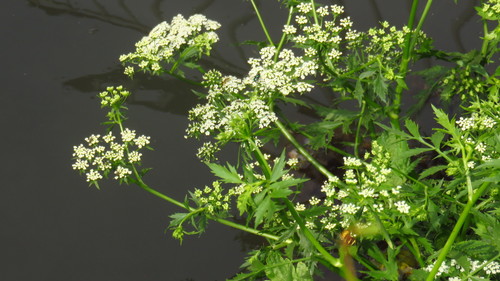
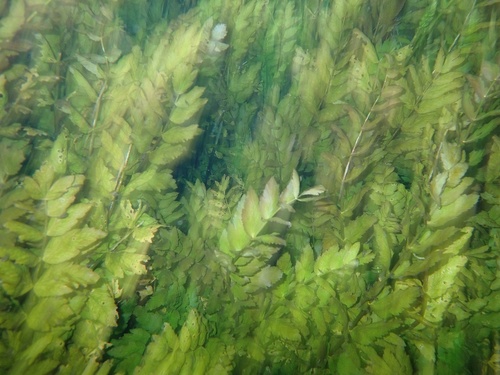
Lesser Water-parsnip
Berula erecta
Care
Prefers loamy or clay soils. Grows poorly in sandy soils.
3–10ft tall
Jun-Aug
Roots and young stems eaten cooked, traditional Indigenous food
North Coast and inland valleys from Sonoma County to Shasta County, below 2000 ft elevation, in wet seeps and riparian areas
Care Guide
Planting
Plant your lesser water-parsnip in loamy or clay soil - it will struggle in sandy soils, so amend accordingly before planting. This is a wetland-riparian plant, so it thrives in or near water; if you're growing it in a garden bed rather than a water feature, choose a spot that stays consistently moist. It blooms mid-summer (June through August) and grows 3 to 10 feet tall, so give it room to stretch.
After Planting
Keep the soil consistently moist throughout the growing season, especially during your first summer after planting. Since this plant's natural home is wet areas and riparian zones, allowing it to dry out completely will stress or kill it. The data doesn't specify pruning needs or year-one dormancy behavior, so focus on maintaining that moisture and let the plant establish itself naturally.
Visit Calscape for more information about Lesser Water-parsnip
Wildlife Supported
Insects

Larvae feed on Apiaceae family plants including Berula erecta; multiple generations Apr-Sep

Phloem feeder on stems and leaves; pest species that may affect plant vigor

Leafhopper nymph enclosed in spittle masses on stems; sap feeder

Cleptoparasitic bee using Andrena nests provisioned with Berula erecta pollen

Larvae utilize Apiaceae hosts; primary host plant family

Early season mining bee utilizing umbelliferous pollen for larval provisions
Birds

Grazing on aquatic vegetation during migration staging and winter residence

Aquatic plant grazer; year-round consumption in California wetlands and slow water bodies