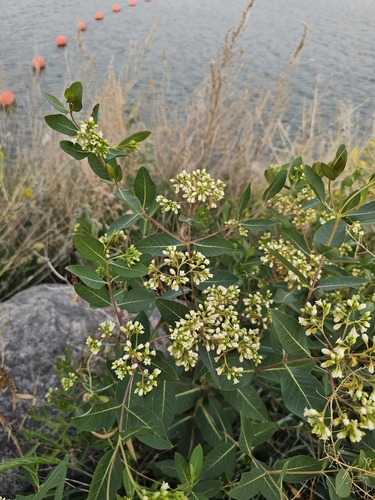
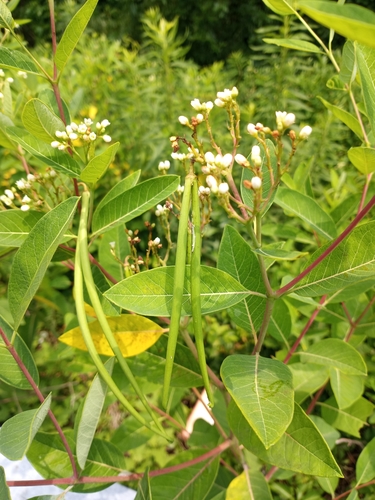
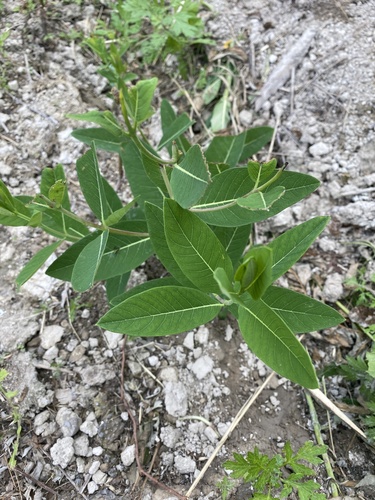
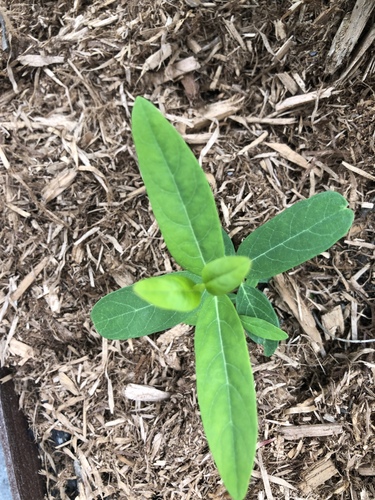
American-hemp
Apocynum cannabinum
Care
part shade
low
Fast; Prefers moist sandy or gravelly soil.
3–7ft tall
Jun-Aug
Resistant
Widespread throughout California in riparian areas and disturbed sites from sea level to 6000 ft, extending throughout western North America
Care Guide
Planting
Plant American-hemp in full sun to part shade in a spot with fast-draining soil - ideally sandy or gravelly like its native streambank habitat. Space plants at least 3 feet apart since they spread aggressively through rhizomes and can reach 3 to 5 feet tall. The Bay Area's mild winters mean you can plant in fall or early spring; the plant prefers moist soil, so choose a location that stays somewhat damp rather than bone-dry.
After Planting
Water weekly through your first summer to establish the plant, then taper off - American-hemp is drought-tolerant once established and only needs low to moderate water. The #1 mistake is planting it in a small space without a containment plan: this plant spreads vigorously and can take over. Wear gloves when handling or pruning; the milky sap causes blisters on skin contact. Expect dormancy in winter and regrowth starting in spring, with small greenish-white to pink flowers arriving in summer.
Endangered & Threatened Species Supported
California Species of Special Concern; monarch populations declining
Wildlife Supported
Insects
Specialist herbivore; caterpillars feed exclusively on apocynum plants

Specialist beetle; larvae and adults feed on apocynum foliage

Critical larval host plant for California populations; caterpillars feed on milkweed family plants including A. cannabinum

Larval miners develop within apocynum leaves throughout growing season

Larvae feed on apocynum and related plants in wetland habitats

Adult butterfly visits flowers for nectar during migration and breeding

Larval host plant for this arctiid moth species

Adult wasp visits flowers for nectar; important predator of katydids
+3 more species
Birds

Occasional visitor during spring and fall migration through California