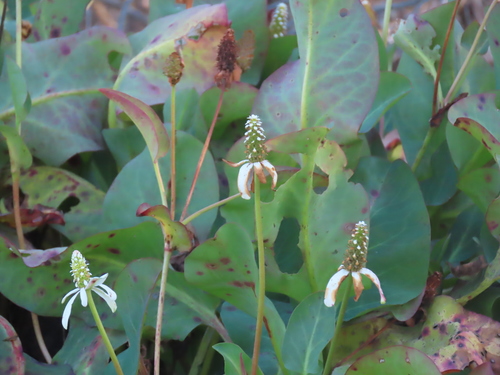
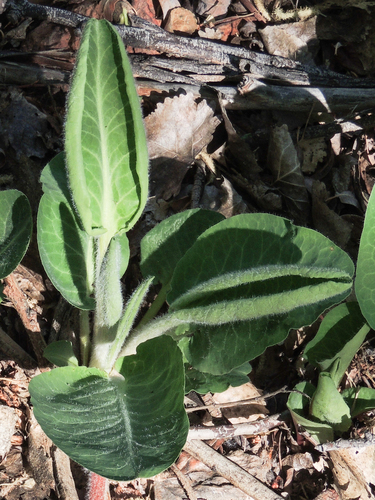
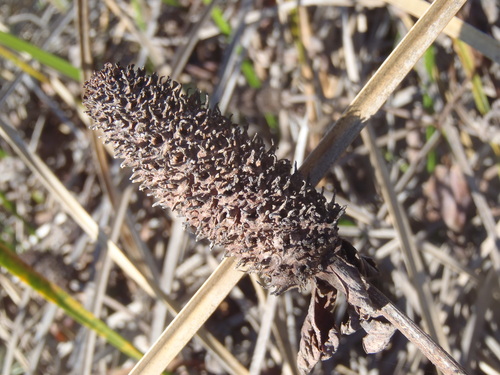
Apache-beads
Anemopsis californica
Care
part shade, full sun
moderate
Medium, Slow, Standing; Tolerant of almost any soil as long as it remains constantly moist.
0–1ft tall , 2–2ft wide
Jan-Dec
Deciduous
Resistant
Friendly
Roots eaten raw or cooked; traditionally used as food by Indigenous peoples
Southeastern California in Imperial and Riverside counties, below 500 ft elevation, in desert wetlands and hot springs, extending to Arizona and Mexico
Care Guide
Planting
Plant Apache-beads in a consistently moist location - ideally near a streambed, seep, or other damp area where soil stays wet year-round. It thrives in part shade to full sun and tolerates almost any soil type as long as drainage is medium to slow and moisture is constant; standing water is fine. Space plants with room to spread, as they carpet-like growth can overtake neighboring plants. Plant in late winter or early spring before active growth begins.
After Planting
Water consistently to keep soil moist throughout the growing season; don't let it dry out. Expect the plant to go completely dormant and disappear from late summer through early winter - this is normal, and it will re-sprout from the roots in late winter. Once established, this hardy plant requires minimal maintenance and needs no pruning. The #1 mistake is underwatering: this plant will fail if allowed to dry out, so plant it where it naturally stays damp rather than relying on hand-watering.
Wildlife Supported
Insects

Polyphagous herbivore with multiple generations

Early season larval host in California wetlands

Desert-adapted native bee utilizing available resources

Foraging on available floral resources in wetland margins

Larval development on plant foliage

Foraging for nectar to support colony

Larval prey consumption in wetland ecosystem

Multiple generations utilize as larval host plant
+4 more species