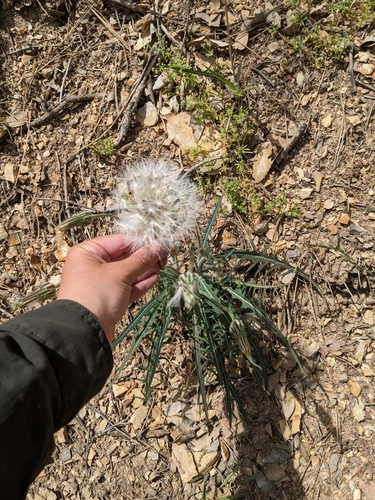
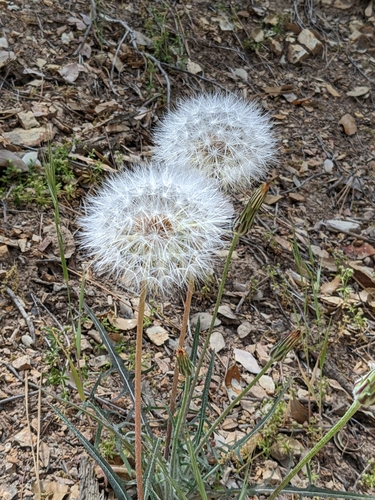
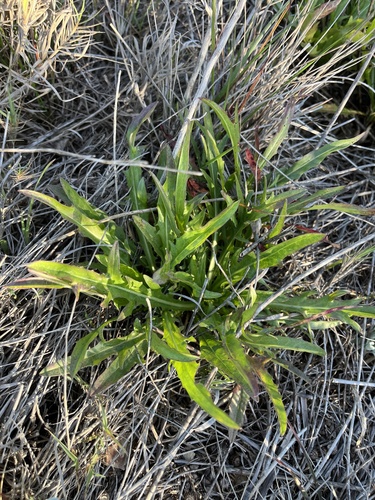
Large-flowered Agoseris
Agoseris grandiflora var. grandiflora
Care
full sun, part shade
low
Adaptable, tolerant of sand, loam and clay.
2–3ft tall
Mar-May
Friendly
Prized
Roots eaten raw or cooked; leaves used as salad greens
Central Valley grasslands and foothills from Kern County to Glenn County, below 1500 ft elevation, in grasslands and oak woodlands
Care Guide
Planting
Plant Large-flowered Agoseris in full sun with well-draining soil - it's highly adaptable and tolerant of sand, loam, and clay, so soil type is less critical than drainage. This native perennial can be started from seed with no special treatment required. Space plants to accommodate their mature height of 2-3 feet, and plant in spring during the blooming season (March-May) when you can see what you're getting.
After Planting
Water regularly during your plant's first growing season to establish it, then transition to low water once established - this is a drought-tolerant native that prefers dry conditions. The plant dies back after flowering, so don't panic when it goes dormant; just leave it alone and let it rest. The biggest mistake is overwatering: this plant evolved in dry grasslands and woodlands across western North America, so more water won't make it happier.
Visit Calscape for more information about Large-flowered Agoseris
Wildlife Supported
Insects
Rust fungus specializes on Agoseris species; overwinters on plant tissues

Pathogenic mold affects foliage during cool, moist spring conditions

Adults forage on flower parts and pollen during spring emergence

Fungal infection peaks during warm, dry summer months

Adult beetles feed on foliage and flowers during growing season
Rust spore production occurs during spring growth period