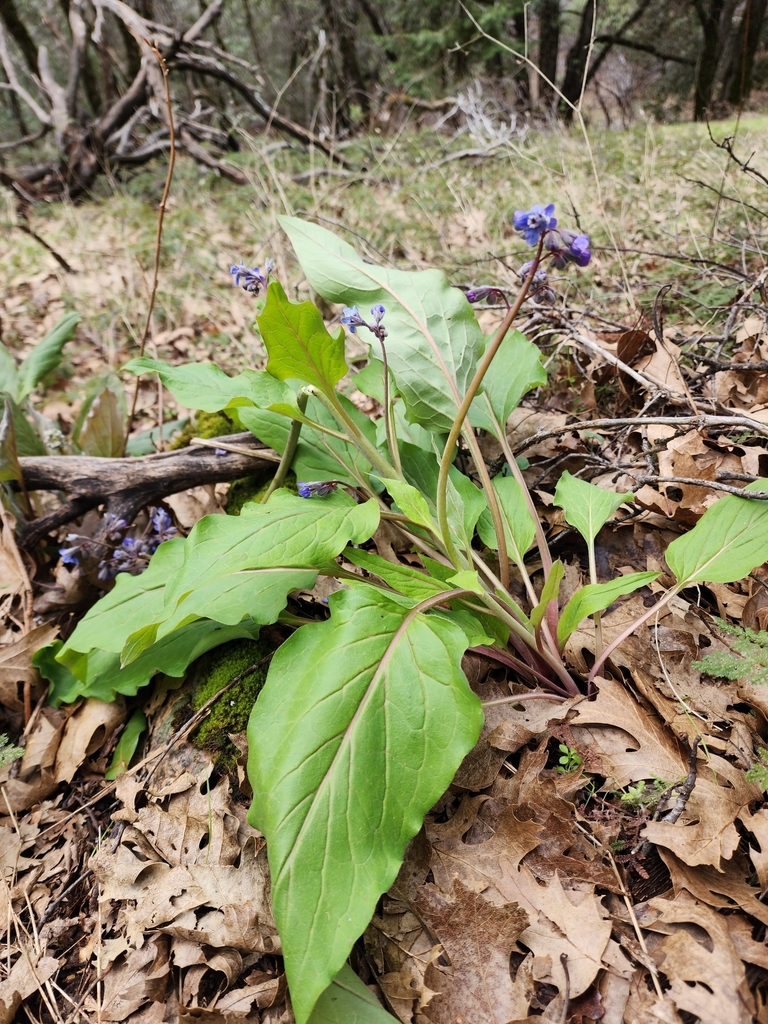
Giant Figwort*
Adelinia grandis
Care
part shade
Prefers a deep fertile well-drained but moisture retentive soil. Succeeds in well-drained ordinary garden soil.
1–3ft tall
Jan-Dec
Resistant
Friendly
Sierra Nevada foothills from Placer County to Kern County, 1000-3000 ft elevation, in oak woodlands and chaparral
Care Guide
Planting
Plant Giant Figwort in part shade - it thrives in woodland conditions and won't tolerate full sun. Choose a spot with well-drained soil that stays somewhat moisture-retentive; if your garden soil is heavy clay, amend it with compost to improve drainage while maintaining some water-holding capacity. Space plants about 1-2 feet apart to accommodate their mature height of 1-3 feet. Fall or early winter planting aligns with its natural growing season and gives the deep taproot time to establish before summer.
After Planting
Water regularly through the first growing season to keep soil consistently moist but not waterlogged - this plant has deep roots and needs time to establish. Once established (by year 2), it should need less supplemental water as it accesses deeper soil moisture, though summer droughts in the Bay Area may still require occasional watering during extended dry spells. Expect flowers to appear in winter and spring; the plant's dormancy pattern and pruning needs aren't well-documented, so observe how it responds in your garden. The biggest mistake is planting it in too much sun or in poorly drained soil, both of which will stress this woodland native.
Wildlife Supported
Insects
Specialized pollen forager; nesting season April-July
Multiple generations; larvae feed on foliage April-September
Host plant for larvae; multiple broods March-October
Early spring host plant; single generation March-April
Specialized host plant for larval development
Multiple generations; larvae consume foliage year-round in California
Host plant for larval feeding and development
Polyphagous host; larvae consume foliage April-September
+3 more species
Birds
Year-round resident in California; supplemental nectar source