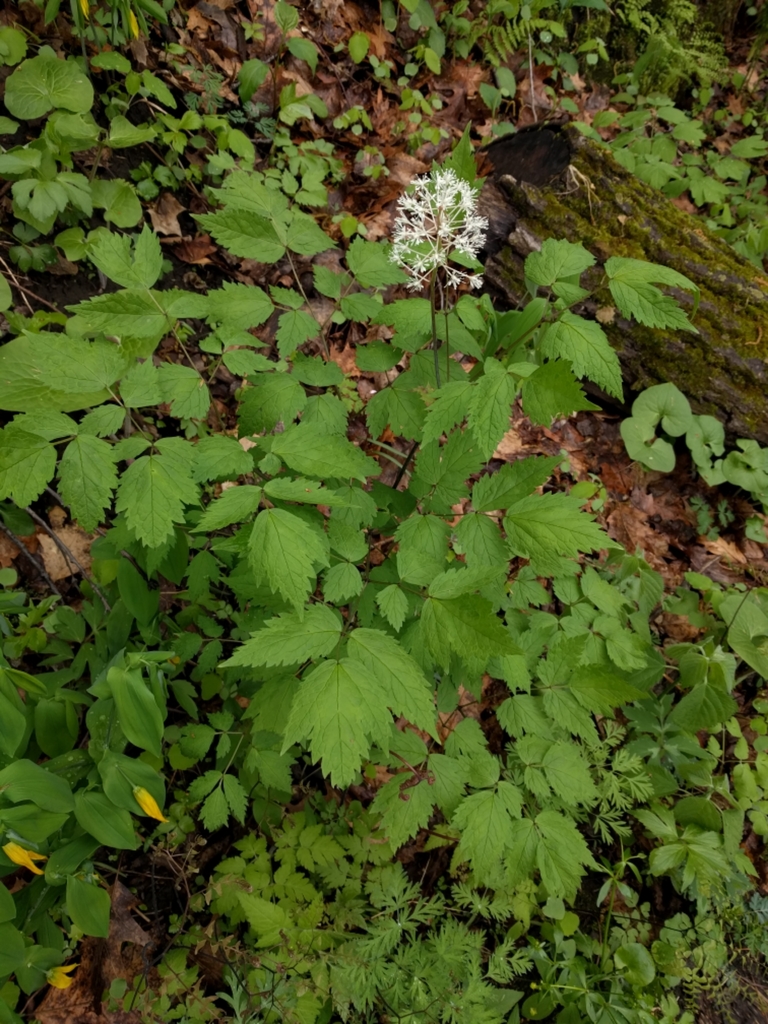
Red Baneberry
Actaea rubra
Care
part shade
moderate
Fast, Medium, Slow; Tolerant of a variety of garden soils as long as sufficient moisture is available.
1–3ft tall
Mar-Aug
Deciduous
Resistant
Friendly
North Coast ranges and Sierra Nevada foothills from Humboldt County to Madera County, 1000-4000 ft elevation, in mixed conifer and hardwood forests, extending to Oregon
Care Guide
Planting
Plant Red Baneberry in part shade to deep shade - it thrives in woodland conditions and won't appreciate full sun in the Bay Area. Choose a location with consistent moisture; this plant tolerates fast, medium, or slow drainage as long as the soil stays adequately moist year-round. Space plants about 16-31 inches apart (they're slow growers and won't fill in quickly). Plant in spring or fall when the plant can establish before temperature extremes.
After Planting
Water moderately and consistently through your first summer and beyond, as Red Baneberry needs reliable moisture to thrive - don't let the soil dry out completely. Expect slow growth; it will take several years before your plant flowers and produces its ornamental berries, so patience is key. This is a deciduous plant that will die back in winter, which is normal. The #1 mistake is underwatering or planting in a location that dries out, since this shade-lover expects the moist conditions of its native forest habitat.
Wildlife Supported
Birds
Consume berries and seeds in autumn; important fall/winter food source
Insects
Early spring pollen and nectar source for diverse native bee species
Leafminer larvae develop within plant tissues; spring to early summer activity
Multiple beetle families utilize stems and foliage; supports beetle diversity
Specialist larval host; supports endemic moth populations
Various fly families utilize plant tissues; year-round potential host
Wood/stem-boring beetle larvae; supports longhorn beetle communities
Larval host plant; caterpillars feed on foliage and reproductive structures
Early season pollen foraging; supports native bee populations