← Back to results

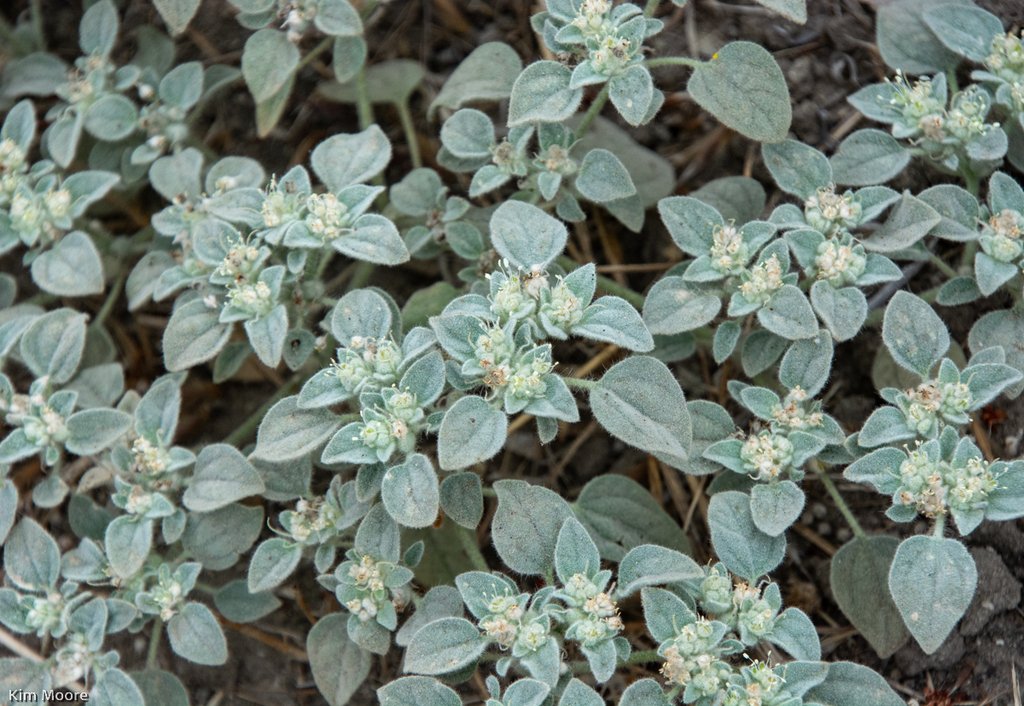
Dove Weed

Croton setiger

Care

Sun

full sun, part shade

Water

very low

Size

0–0ft tall

Container

Friendly

Native Range

Coastal sage scrub of southern California from Ventura County to San Diego County and northwestern Mexico, below 3000 ft elevation

Care Guide

Planting

Plant your Dove Weed in a spot that gets full sun or part shade - it's flexible either way. The plant is compact (under a foot tall) and works well in outdoor containers, making it ideal for Bay Area patios and garden edges. Since the data doesn't specify soil or drainage requirements, ensure your pot or planting area drains well to avoid sitting water, and plant in spring or early summer to give it time to establish before cooler months.

After Planting

Water very sparingly once established - this is a drought-tolerant plant that doesn't need regular watering like thirsty annuals. The biggest mistake people make is overwatering, which this plant won't tolerate. Keep pets and animals away from the foliage, as it's toxic to them, though birds and doves will visit for the seeds.

Visit Calscape for more information about Dove Weed

Endangered & Threatened Species Supported

Bernardino Dotted-Blue Euphilotes bernardino
Federal: Endangered, CA: Endangered

Listed under ESA; endemic to San Bernardino Mountains

Wildlife Supported

Birds

Seeds · Year-Round

Important seed source during winter months and post-breeding season

Seeds · Year-Round

Opportunistic seed feeding during winter food scarcity

Seeds · Year-Round

Year-round seed availability important for this small finch

Seeds · Year-Round

Winter seed gleaning in coastal sage scrub and grassland margins

Seeds · Year-Round

Consistent seed forager in arid and semi-arid California habitats

Insects

Larval Host · Year-Round

Specialist larval host for this California endemic butterfly

Larval Host · Year-Round

Multiple generations; larvae feed on croton foliage

Larval Host · Year-Round

Early season larval host plant in desert and semi-arid regions

Larval Host · Year-Round

Multiple broods; larvae utilize croton as secondary host plant

Where to Buy

Native Here Nursery

101 Golf Course Dr, Tilden Regional Park, Berkeley

Sat 10am-2pm

3.0 mi (510) 549-0211 Website