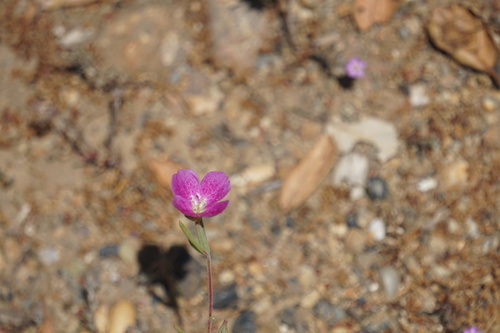
Chaparral Clarkia
Clarkia affinis
Care
2–2ft tall
Friendly
Prized
Chaparral and oak woodland of the inner Coast Ranges from Lake County to Kern County, 500-4000 ft elevation
Care Guide
Planting
Plant your Chaparral Clarkia in a location that mimics its native Coast Ranges habitat - chaparral slopes and woodlands where it naturally thrives. Since this is a California native wildflower, it will perform best in well-draining soil typical of chaparral environments. Space plants to accommodate their mature height of about 2 feet and their naturally spindly, sparse growth habit.
After Planting
Chaparral Clarkia is adapted to California's dry season, so avoid overwatering once established - think of it as a plant that expects summer drought. The biggest mistake gardeners make is treating it like a thirsty annual rather than a tough native that evolved to handle the region's climate. Let the plant's growth pattern guide you: its erect stems and sparse foliage are normal, not a sign of stress or poor care.
Wildlife Supported
Insects

Primary larval host plant for spring/early summer broods in California

Predatory beetles forage on plant foliage for aphids and small arthropods during flowering period

Spring nectar and pollen source for hive nutrition

Early season nectar resource during colony establishment phase