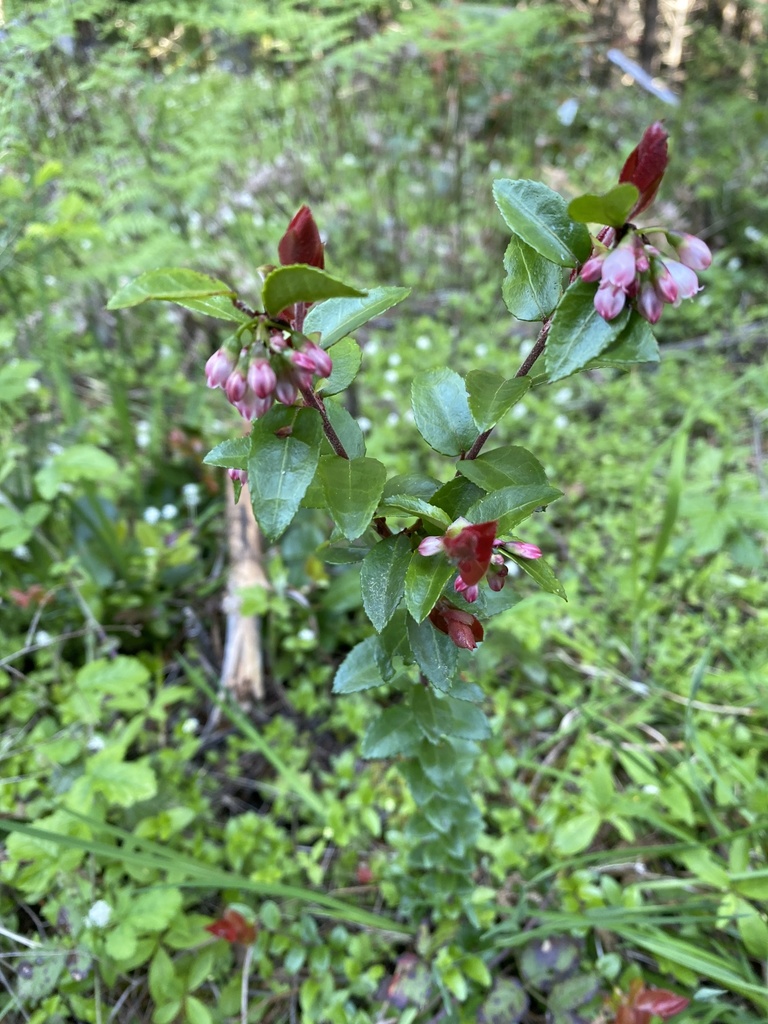
Huckleberry
Vaccinium ovatum
Care
part shade, full shade
moderate
moist, acidic, well-drained; humus-rich
3–8ft tall , 3–6ft wide
Mar-May · white, pink
Evergreen
Friendly
Berries eaten fresh or cooked
Supports up to 107 butterfly and moth species in Mediterranean California
Pacific Coast from British Columbia to central California
Small urn-shaped white to pink flowers; edible blue-black berries
Delicious edible berries; slow growing; excellent shade shrub
Care Guide
Planting
Plant your Huckleberry in part shade or full shade, in well-drained soil with good drainage - it tolerates sandy, clay, and nutrient-poor soils. Plant in fall or winter when the plant is dormant, spacing multiple plants 3-4 feet apart if creating a hedge. This evergreen native is slow-growing, so patience is part of the deal.
After Planting
Water moderately during the first growing season to establish roots, then reduce to about 3 times per month once established - this is a low-water plant that actually prefers dry conditions. After the first year, let nature handle most of the watering in the Bay Area. The biggest mistake people make is overwatering; your Huckleberry will struggle in soggy soil far more than it will in dry conditions, so err on the side of less water rather than more.
Wildlife Supported
Insects
Vaccinium ovatum serves as alternate host and inoculum source
Larvae feed on foliage and flowers; can cause minor damage
Caterpillar host plant; larvae develop on plant tissues
Nymph and adult feed on plant sap; common on evergreen foliage
Larvae feed on developing buds and flowers in spring
Birds
Primary food source Sep-Feb, critical during winter months
Opportunistic foraging on berries during fruit-bearing season
Feeds on flowers during Mar-May bloom; year-round resident in coastal CA