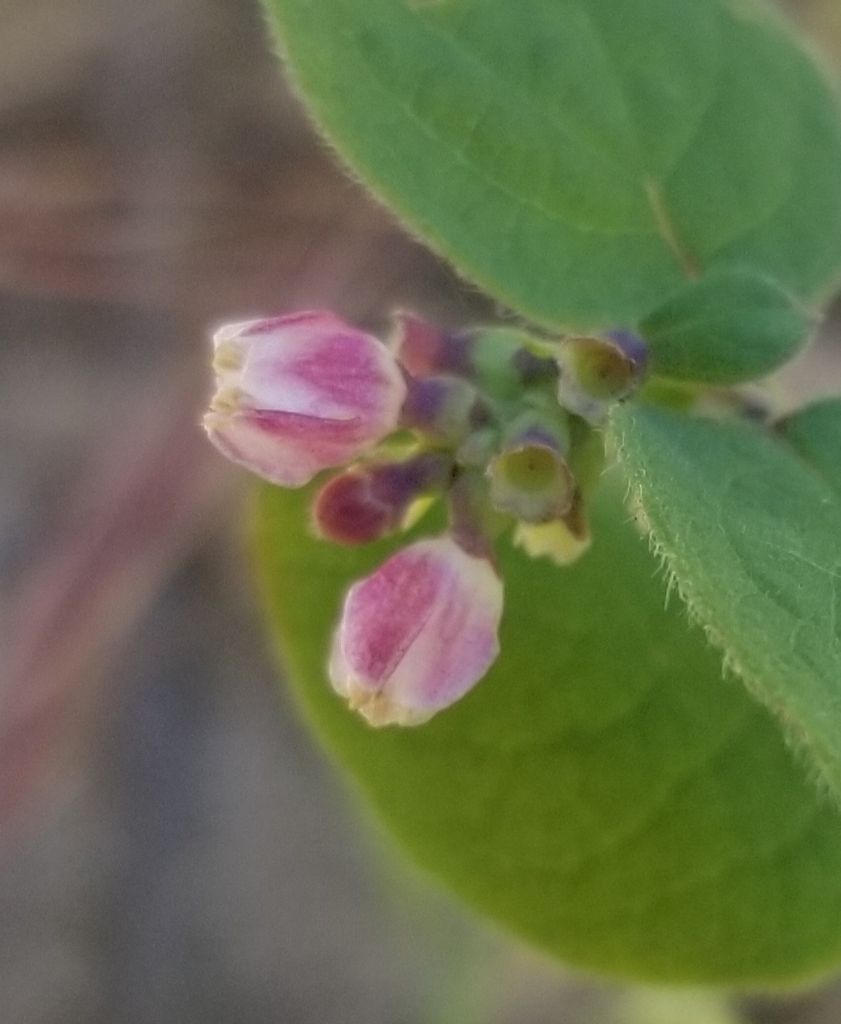
Creeping Snowberry

Symphoricarpos mollis

Care
Sun

part shade

Water

low

Soil

Fast, Medium, Slow; Tolerates a variety of soils.

Size

1–2ft tall, 3–4ft wide

Bloom

Mar-Aug

Foliage

Deciduous

Deer

Resistant

Container

Friendly

Native Range

Coastal scrub and oak woodland of the Coast Ranges from Marin County to San Luis Obispo County, below 2000 ft elevation

Care Guide

Planting

Plant creeping snowberry in fall or winter in a spot with partial shade, though it tolerates everything from intense sun to constant shade. It's extremely flexible about soil - fast, medium, or slow drainage all work fine. Space plants according to your intended use; this deciduous shrub grows 1–2 feet tall and works well as a groundcover, bank stabilizer, or lawn alternative, so adjust spacing based on how quickly you want coverage.

After Planting

Water weekly for the first summer to establish the plant, then cut back to once monthly by late summer. Once established (typically by year two), stop irrigating entirely - this is a chaparral native that thrives on rainfall alone in the Bay Area. In winter, you can cut back the plant if needed; it's deciduous so it will naturally drop leaves and go dormant. The biggest mistake is continuing to water into the second year; creeping snowberry actually prefers dry conditions once established, and overwatering is far more likely to kill it than drought.

Visit Calscape for more information about Creeping Snowberry

Endangered & Threatened Species Supported
Sitka bumble beeBombus sitkensis

Sitka bumble bee, declining populations

CA: Threatened
Wildlife Supported

Insects

Larval Host · Year-Round

larval host plant; caterpillars feed on foliage

Pollen · Spring

spring pollen source for hive provisioning

Nectar · Spring

early season nectar source for colony establishment

Nectar · Spring

spring and early summer foraging

Nectar · Summer

summer nectar source

Pollen · Summer

mid to late summer pollen collection

Nectar · Spring

early season nectar and pollen foraging

Pollen · Spring

early spring pollen source for nesting females

+2 more species

Where to Buy
East Bay Wilds

2110 Eighth St, Suite 202, Berkeley

Fri 9:30am-4pm (occasional Sat, call ahead)

1.5 mi(510) 409-5858WebsiteDirections
Native Here Nursery

101 Golf Course Dr, Tilden Regional Park, Berkeley

Sat 10am-2pm

3.0 mi(510) 549-0211WebsiteDirections
Yerba Buena Nursery

12511 San Mateo Rd, Half Moon Bay

Tue-Sat 9am-4pm

12.0 mi(650) 851-1668WebsiteDirections