← Back to results

Ocean Spray

Holodiscus discolor

Care

Sun

full sun, part shade

Water

low

Soil

well-drained; tolerates dry rocky slopes

Size

5–15ft tall , 4–10ft wide

Bloom

Jun-Aug · creamy white

Foliage

Deciduous

Deer

Resistant

Flowers

Prized

Native Range

Pacific Coast from British Columbia to Southern California mountains

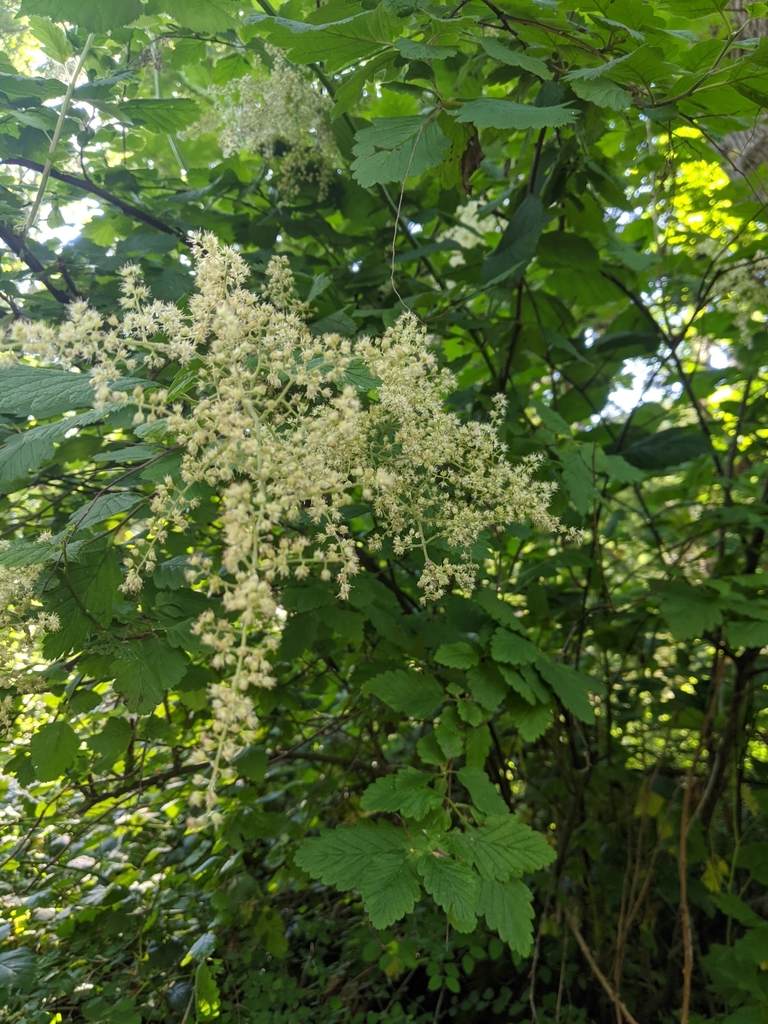
Large drooping plumes of tiny creamy white flowers

Spectacular in bloom; dried flower heads persist ornamentally through winter

Care Guide

Planting

Plant Ocean Spray in partial shade or deep shade with well-drained soil; it's adaptable to clay and garden soil, so don't stress about perfect conditions. The best time to plant is fall or winter when the plant is dormant. Space it according to its mature size (5–15 feet tall), and it works well as a hedge or for bank stabilization. This native shrub tolerates cold to -15°F, so it's forgiving in the Bay Area.

After Planting

Water regularly the first summer to establish the plant, then reduce to supplemental irrigation only - once established, it needs water no more than twice a month during summer. Let it go dormant and leafless in winter; this is normal deciduous behavior. Pruning details aren't specified in the care data, so focus on letting it settle in year one rather than cutting it back aggressively. The main mistake is overwatering: this plant evolved on dry rocky slopes and woodland floors, so resist the urge to keep it constantly moist once it's past the first growing season.

Visit Calscape for more information about Ocean Spray

Endangered & Threatened Species Supported

Chalcedon Checkerspot Euphydryas chalcedona
CA Special Concern

California Species of Special Concern

Wildlife Supported

Insects

Larval Host · Spring

Larvae feed on new spring foliage; critical host plant

Nectar · Summer

Nests nearby; June-August flowering provides essential pollen

Larval Host · Spring

Early spring larval host; caterpillars on new foliage

Larval Host · Spring

Larval host plant; utilizes young leaves for caterpillar development

Larval Host · Spring

Larval host plant; first brood utilizes new growth

Nectar · Summer

Blooms Jun-Aug peak; primary nectar source during mid-summer

Nectar · Summer

Jun-Aug bloom period; important for worker maintenance and brood provisioning

Larval Host · Spring

Spring brood feeds on emerging foliage

+3 more species

Birds

Seeds · Year-Round

Seeds mature Aug-Sep; critical late breeding season food source

Mammals

Foliage · Year-Round

Winter and spring browse when other forage limited; palatability increases in new growth

mod Elk
Foliage · Fall

Autumn and early winter forage; important in transitional shrublands

Where to Buy

East Bay Wilds

2110 Eighth St, Suite 202, Berkeley

Fri 9:30am-4pm (occasional Sat, call ahead)

1.5 mi (510) 409-5858 Website
Native Here Nursery

101 Golf Course Dr, Tilden Regional Park, Berkeley

Sat 10am-2pm

3.0 mi (510) 549-0211 Website
Yerba Buena Nursery

12511 San Mateo Rd, Half Moon Bay

Tue-Sat 9am-4pm

12.0 mi (650) 851-1668 Website