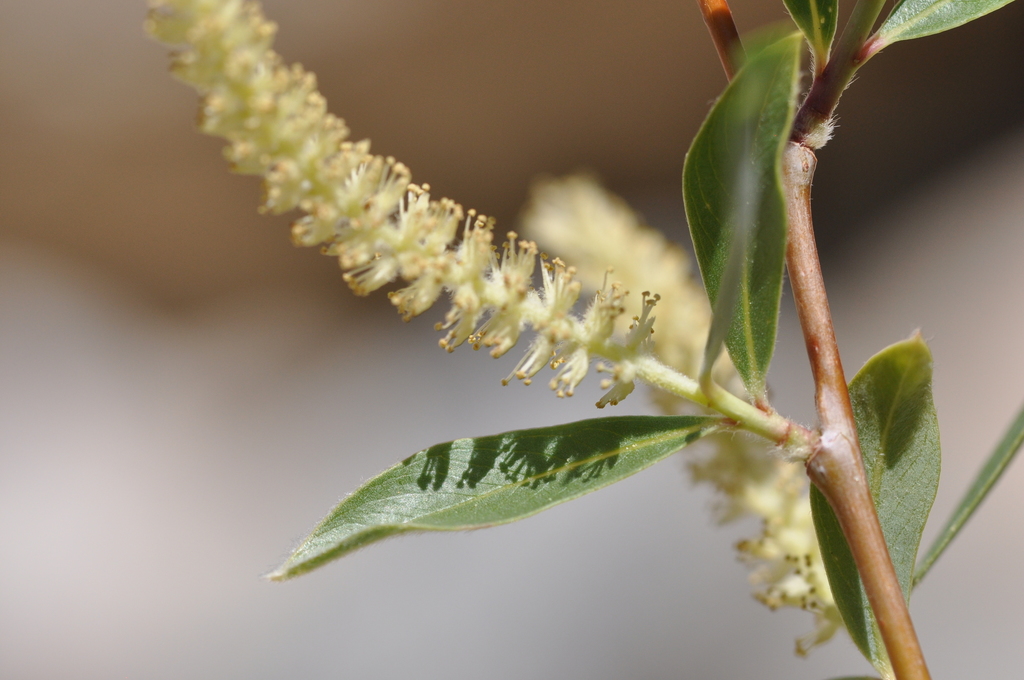
Red Willow
Salix laevigata
Care
full sun, part shade
high
Fast, Medium, Slow, Standing; Heavy, moist soils.
30–50ft tall , 30–50ft wide
Jan-Dec
Deciduous
Supports up to 328 butterfly and moth species in Mediterranean California
Riparian areas and streamside vegetation throughout California, from coastal lowlands to 5000 ft elevation
Care Guide
Planting
Plant your red willow in full sun in heavy, moist soil that can handle slow to standing water - this is a wetland native, so soggy sites that would kill other trees are exactly where it thrives. Plant in fall or winter when the tree is dormant. This fast-growing tree will eventually reach 30–50 feet, so give it plenty of space and avoid planting near structures or where cottony seeds from female trees might be an issue.
After Planting
Water weekly for the first summer to establish deep roots, then back off to once weekly or less as needed once established. Red willow is deciduous and will drop its leaves in winter - this is normal. The #1 mistake is planting it in well-draining soil or letting it dry out; this tree wants consistently moist conditions year-round. Once established, it's an easy-care tree that rarely needs pruning unless you're managing its form.
Endangered & Threatened Species Supported
California Species of Special Concern; monarch populations declining
Wildlife Supported
Insects
Riparian corridor shelter for songbirds and small mammals year-round
Early spring larval development on young Salix foliage
Spring larval host plant in riparian zones
Caterpillars feed on new spring growth
Larval galls and feeding on Salix leaves spring-early summer
Parasitic plant - hemiparasitic on Salix
Early season pollen and nectar from catkins
Occasional adult nectar source in California, not primary milkweed host
Birds
Riparian shelter and nesting cover in willow thickets
Spring-summer nesting in riparian willow stands
Mammals
Year-round browse of leaves and twigs; winter browse critical
Browse young shoots and bark, especially winter browse