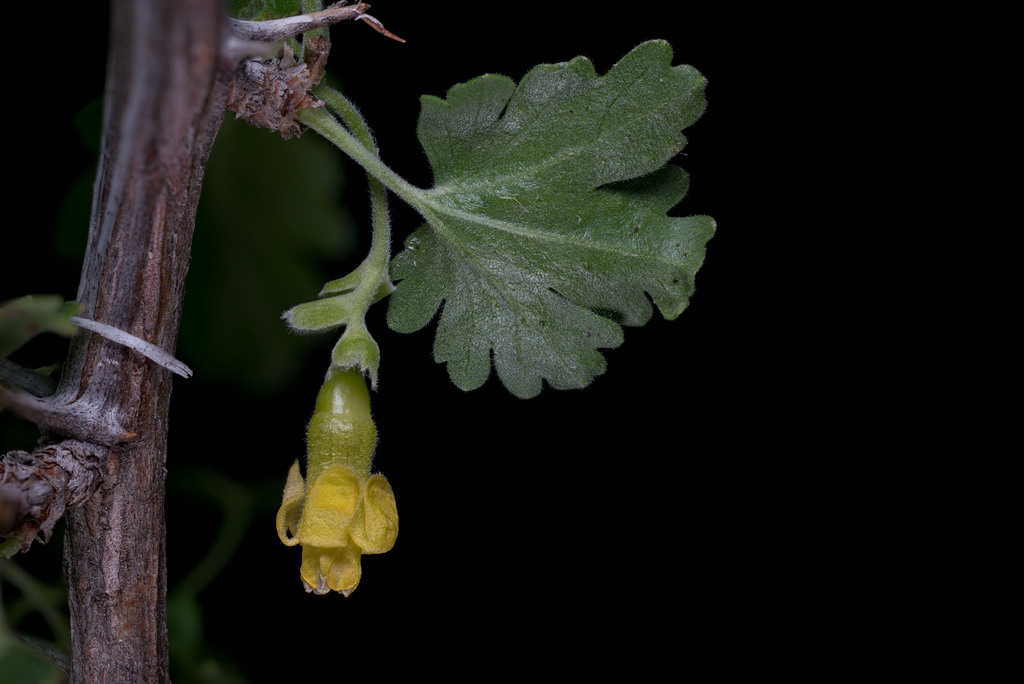
Oak Gooseberry
Ribes quercetorum
Care
full sun, part shade
low
5–5ft tall
Jan-Dec
Deciduous
Resistant
Friendly
Prized
Berries eaten fresh, traditional Indigenous food
Oak woodland of the Sierra Nevada foothills from Kern to Madera County, 2000-4000 ft elevation
Care Guide
Planting
Plant your oak gooseberry in full sun in a spot with good drainage - this native thrives in the dry, rocky conditions of California woodlands and chaparral. Fall through early spring is ideal planting timing to take advantage of winter rains. Space it where its arching stems can spread up to 5 feet without crowding other plants, and note that it has spines along its stems, so give it room away from high-traffic areas.
After Planting
Water weekly during your first summer to establish the plant, then taper off as it enters its second year - oak gooseberry is drought-tolerant once established and needs only low water after that. Expect it to drop its leaves in winter (it's deciduous), and watch for small yellow flowers with cream petals in late winter and spring, followed by edible black berries. The biggest mistake is overwatering; this plant evolved for dry slopes, so err on the side of too dry rather than too wet, especially after the first year.
Wildlife Supported
Birds
Spring migration staging; early season nectar source in California mountains
Summer breeding season in Sierra Nevada foothills where R. quercetorum occurs
Fall and winter diet; important protein source from berries
Summer breeding season; feeds berries to nestlings
Insects
Early spring pollen collection for colony nutrition
Feeds on developing foliage and buds
Spring foraging season when flowers bloom
Larvae feed on Ribes foliage during spring growth period
Mammals
Browsing on leaves and twigs throughout year; important winter browse
Fall and winter foraging on Ribes berries