Canyon Gooseberry
Ribes menziesii
Care
very low
.
7–10ft tall
Jan-Dec
Deciduous
Resistant
Friendly
Prized
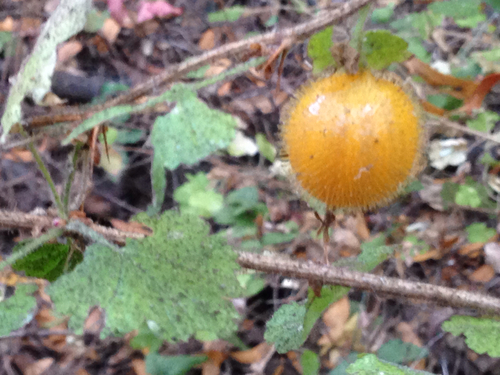
Berries eaten fresh, traditional Indigenous food
Chaparral and oak woodland of the Sierra Nevada foothills and interior Coast Ranges from Kern to Tuolumne County, 1500-4000 ft elevation
Care Guide
Planting
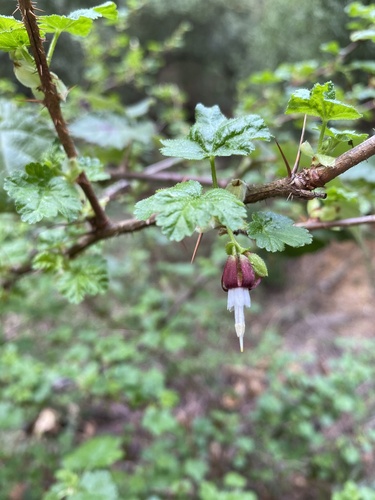
Plant your canyon gooseberry in a spot that gets deep shade to part shade, in well-draining soil. This Bay Area native prefers low-water conditions, so avoid planting it in areas that stay consistently moist or receive regular irrigation. Space it according to its mature size of 7 to 10 feet tall, and plant in fall or early winter to establish roots before the growing season.
After Planting
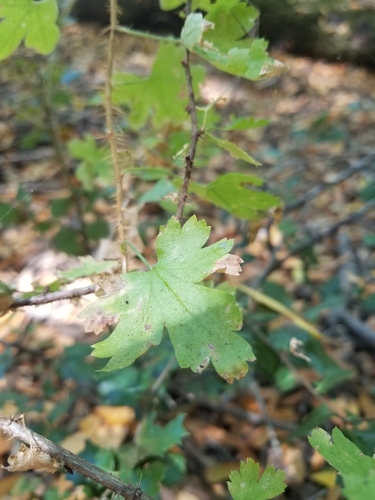
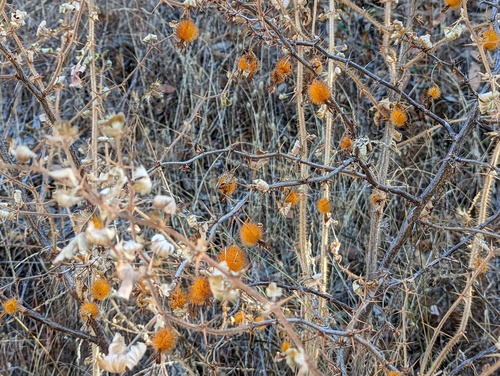
Water moderately during the first growing season to help it establish, then transition to minimal watering once established - this plant thrives on very low water. Expect your canyon gooseberry to be deciduous, dropping its leaves after the showy spring blooms fade; don't mistake this for decline. The biggest mistake is overwatering: this native shrub evolved for dry conditions and will suffer in wet soil, so err on the side of dry once it's established.
Wildlife Supported
Birds
Primary nectar source during breeding season Apr-Jul in California foothills and mountains

Late season berry crop provides critical winter energy reserves

Coexists with Ribes in oak woodland understory; berries consumed by same frugivore guild
Insects
Infection peaks in cool, moist spring and fall conditions

Overwinters on leaf tissue; active growth Jun-Oct
Larval development in developing and ripening fruit; multiple generations spring-fall