← Back to results

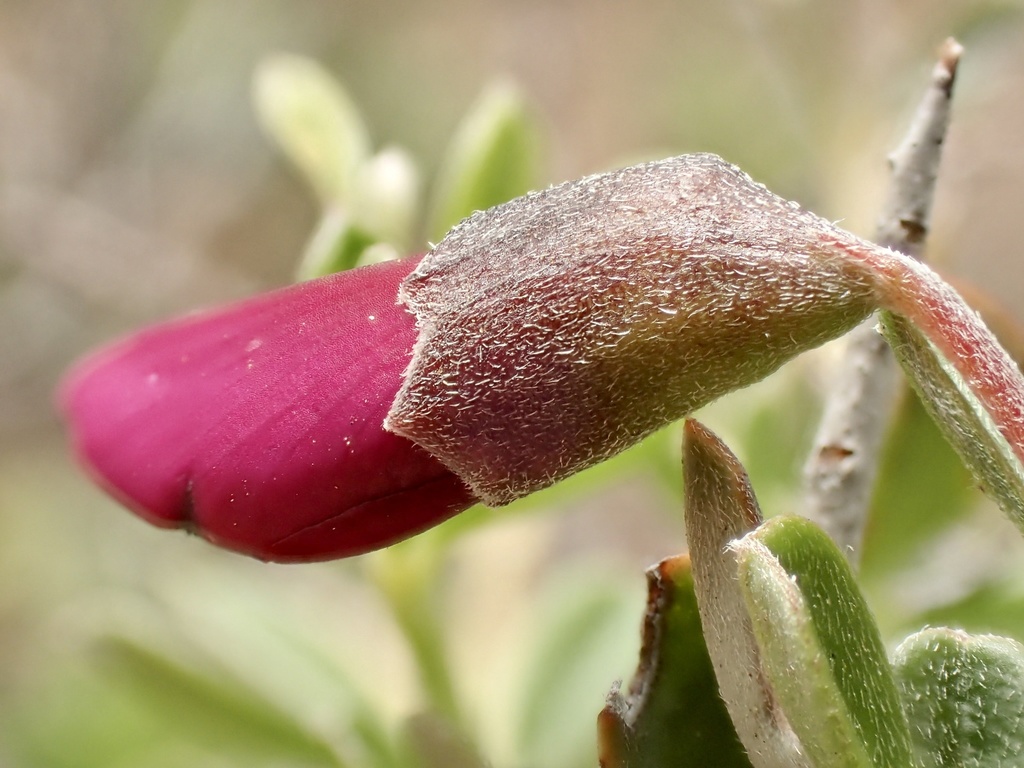
Chaparral Pea

Pickeringia montana var. montana

Care

Sun

full sun, part shade

Water

very low

Soil

Fast; Typically found in the wild in rocky, gravelly or sandy soil. May be tolerant of garden soil if drainage is very good.

Size

1–6ft tall , 8–8ft wide

Bloom

Mar-Aug

Foliage

Deciduous

Deer

Resistant

Container

Friendly

Flowers

Prized

Native Range

Chaparral of the Sierra Nevada foothills and interior ranges from Kern to Butte County, 1500-5000 ft elevation

Care Guide

Planting

Plant your chaparral pea in full sun with fast-draining soil - rocky, gravelly, or sandy soil is ideal, though garden soil works if drainage is excellent. Space plants to account for their spreading root system and low, dense growth habit. Fall or early winter is the best planting time in the Bay Area, giving the plant time to establish before summer heat.

After Planting

Water weekly through your plant's first summer, then taper off as it becomes established - by the second year, it should need no summer irrigation at all once the rainy season ends. Expect your chaparral pea to drop its leaves in winter (it's deciduous) and bloom heavily in spring and summer with bright magenta flowers. The #1 mistake is overwatering: this is a desert chaparral plant that evolved in rocky, infertile soil and will rot if kept too moist, so err on the side of dry once established.

Visit Calscape for more information about Chaparral Pea

Endangered & Threatened Species Supported

Muir's Elfin Callophrys muiri
CA: Endangered, CA Special Concern

California endangered species; endemic to California

Gabb's Checkerspot Chlosyne gabbii
CA: Endangered

California endemic, limited range

Wildlife Supported

Insects

Larval Host · Spring

Spring larval host, typically monophagous on Pickeringia

Larval Host · Spring

Spring emergence larvae utilize young foliage

Larval Host · Spring

Early spring larval development on young foliage

Larval Host · Spring

Primary host plant for spring generation larvae

Larval Host · Summer

Summer larval host plant

Larval Host · Spring

Spring larval development on flowers and developing fruit

Larval Host · Summer

Summer generation larvae feed on developing seed pods

Larval Host · Summer

Multiple generations use developing legume pods

+3 more species

Birds

Nectar · Spring

Early season nectar source during limited bloom period

Where to Buy

Native Here Nursery

101 Golf Course Dr, Tilden Regional Park, Berkeley

Sat 10am-2pm

3.0 mi (510) 549-0211 Website