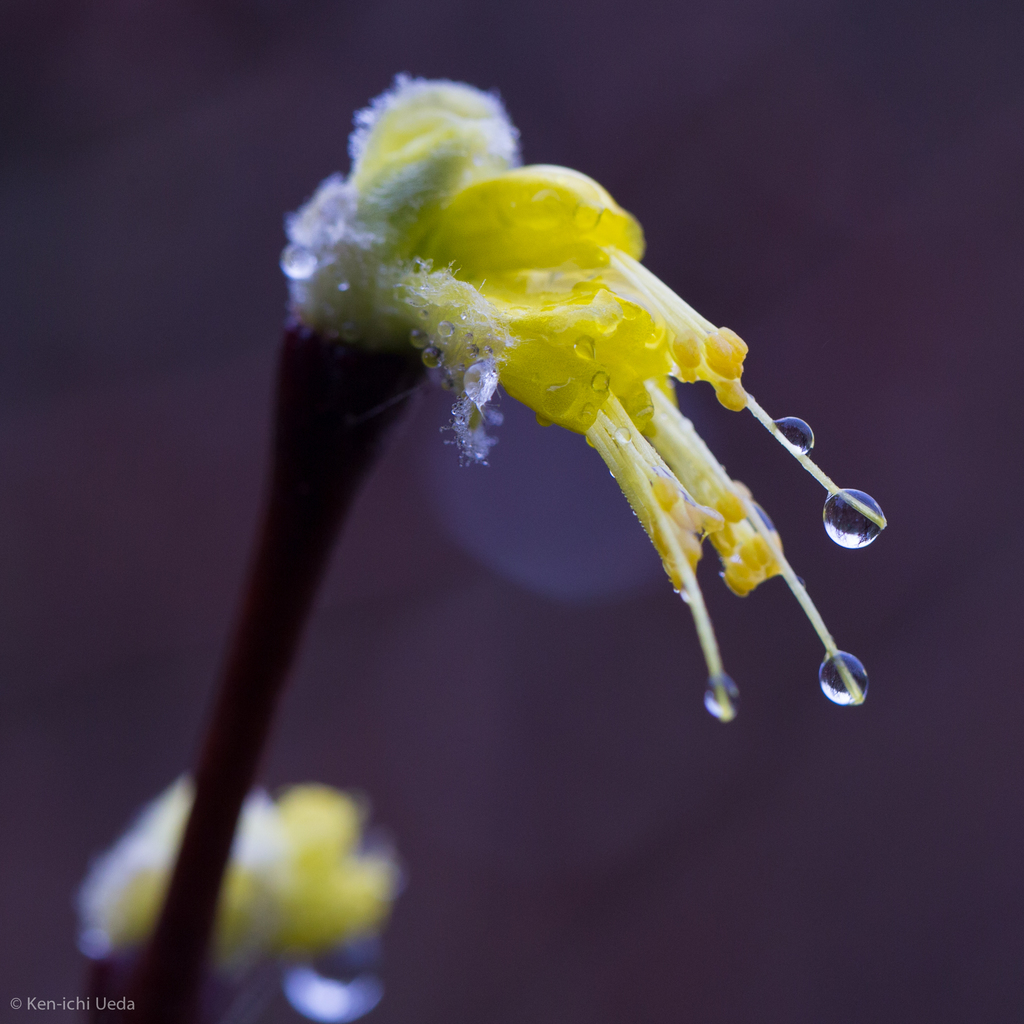
Western Leatherwood
Dirca occidentalis
Care
part shade
Deciduous
Resistant
Friendly
Riparian woodlands endemic to the North Coast Ranges from 200-2000 ft elevation, restricted to moist streamside habitats in Marin, Sonoma, and adjacent counties.
Care Guide
Planting
Plant your Western Leatherwood in partial shade, ideally on a moist slope if your garden has one - this Bay Area native thrives in the conditions where it grows wild. Since the data doesn't specify soil type or drainage requirements, observe whether your planting spot stays consistently moist rather than drying out between rains, as this appears to be the plant's preference.
After Planting
Water regularly during your first growing season to help establish the plant, tapering off as it matures and relies on natural rainfall. Expect your Western Leatherwood to drop its leaves in winter - this is normal deciduous behavior, not a sign of trouble. The #1 mistake is overwatering once established; resist the urge to coddle a plant that evolved to thrive on Bay Area moisture patterns without supplemental irrigation.
Visit Calscape for more information about Western Leatherwood
Endangered & Threatened Species Supported
Western gray squirrel listed as Threatened under CESA; Species of Special Concern
California Species of Special Concern due to habitat loss and localized population declines
Wildlife Supported
Birds
Uses dense shrub structure for suspended nest construction March-May
Nesting and foraging habitat in riparian woodlands; year-round resident in coastal ranges
Mammals
Browsed as winter browse when deciduous foliage available; important in riparian habitats
Seeds consumed during reproductive period of plant
Insects
Early spring pollen source when few other plants are flowering
Host plant for phytophagous leafhopper species; sap feeding
Reptiles
Dense riparian shrub provides basking and refuge habitat in streamside corridors