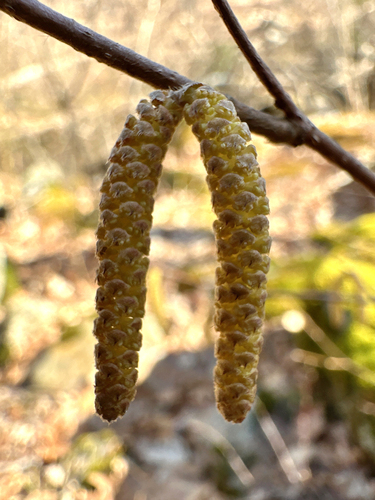
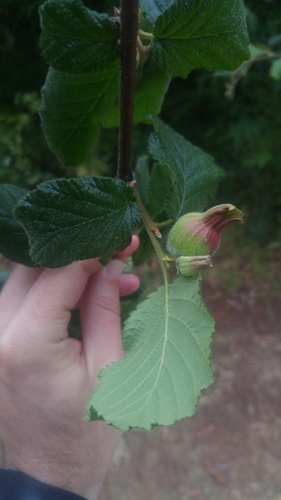
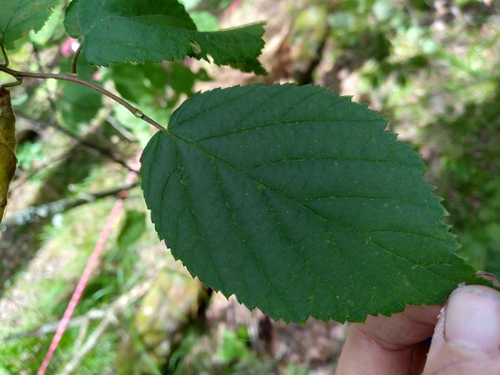
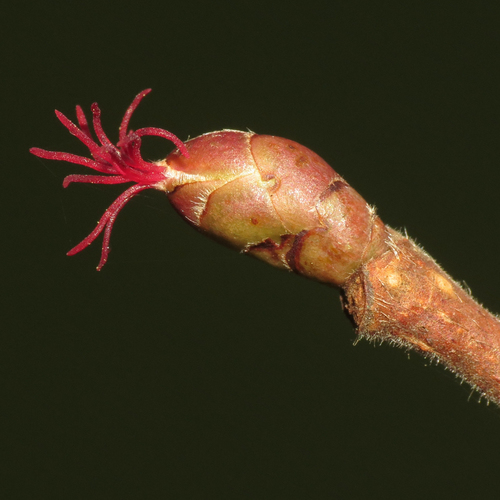
Beaked Filbert
Corylus cornuta subsp. californica
Care
part shade
low
Fast, Medium, Slow; Tolerant of a variety of garden soils as long as sufficient moisture is available.
5–26ft tall , 10–10ft wide
Jan-Dec
Deciduous
Resistant
Nuts eaten fresh or roasted, traditional Indigenous food
Supports up to 71 butterfly and moth species in Mediterranean California
Mixed conifer and oak forests of the northern Sierra Nevada, Cascade Range, and northwestern California from 2000-6000 ft elevation, extending to Oregon and Washington.
Care Guide
Planting
Plant your beaked filbert in part shade to deep shade - it thrives as an understory shrub, so a spot under larger trees or on the north side of your house is ideal. It tolerates a variety of soils as long as drainage is adequate and moisture is available, so amend heavy clay with compost if needed. Plant in fall or winter (the dormant season) to give it time to establish roots before summer heat arrives.
After Planting
Water weekly for the first summer, then taper to just twice a month once established - this plant prefers slightly moist soil but is fairly drought-tolerant after year one. Expect minimal pruning needs; let it grow naturally as a multi-stemmed shrub or small tree. Your biggest mistake will be overwatering or planting it in full sun; stick to the shade it loves, and you'll have a low-maintenance plant that attracts butterflies, birds, and Early Hairstreak butterflies while producing small edible nuts (though wildlife will compete for them).
Wildlife Supported
Insects

Important larval host plant; caterpillar feeding April-June

Larval development within stems and wood, species-specific host plant

Larval host plant, caterpillar feeding on leaves May-July

Larval host plant, caterpillar feeding on emerging foliage April-May

Larval galleries in wood and cambium, year-round host relationship
Wood-nesting bee utilizing dead stems and branches for nesting galleries

Larval host plant, caterpillar feeding May-July during outbreak years

Larval host plant, caterpillar feeding on foliage
+1 more species
Mammals

Primary seed cache food source, September-October critical for winter storage
Birds

Important seed food source in early fall before other mast becomes available

Fall migration staging food source, September-October