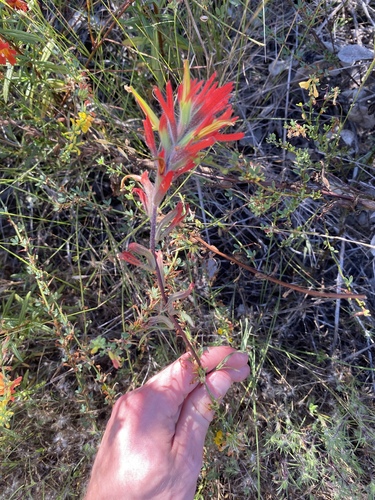
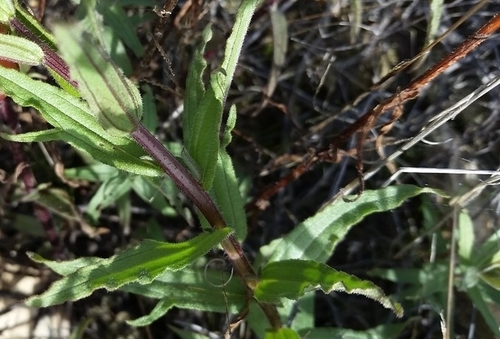
Coast Indian Paintbrush
Castilleja affinis subsp. affinis + Diplacus aurantiacus
Care
full sun
Rocky soil with sand.
2–2ft tall
Friendly
Prized
Coastal scrub and grassland bluffs from the North Coast to central California below 1000 ft elevation, primarily in coastal sage scrub habitats.
Care Guide
Planting
Plant your Coast Indian Paintbrush in full sun with rocky, sandy soil that drains well - this native thrives in the lean conditions it evolved for along California's coastal and inland slopes. Plant in fall or early spring to give it time to establish before summer heat. Space plants about 2 feet apart since they'll reach roughly 2 feet tall.
After Planting
Water regularly through your first summer to help establish the plant, then gradually reduce watering as it matures and becomes drought-tolerant. The biggest mistake Bay Area gardeners make is overwatering or adding rich soil amendments - Indian Paintbrush is a hemi-parasite that actually needs poor, rocky conditions and resents heavy irrigation or fertile garden soil. Expect this plant to be challenging your first year; once established, it requires minimal maintenance and will tolerate our cold Bay Area winters down to 5 degrees Fahrenheit.
Visit Calscape for more information about Coast Indian Paintbrush
Endangered & Threatened Species Supported
Some subspecies federally protected; species has state endangered designation
California Endangered Species Act listing
California Species of Special Concern
California species of special concern
Wildlife Supported
Insects

Larval host plant; caterpillars feed on foliage April-June

Larval host plant; multiple broods utilize plant March-July

Larval host plant; caterpillars feed on foliage through spring and early summer
Larval host plant; caterpillars feed on foliage April-July
Larval host plant; caterpillars feed on plant tissues spring-summer

Larval host plant; caterpillars feed on foliage and flowers

Larval host plant; caterpillars feed on foliage May-June

Pollen forager; visits flowers during blooming period April-July
Birds
Primary nectar source during breeding season, late April through August

Critical early spring nectar source March-June in desert scrub habitat