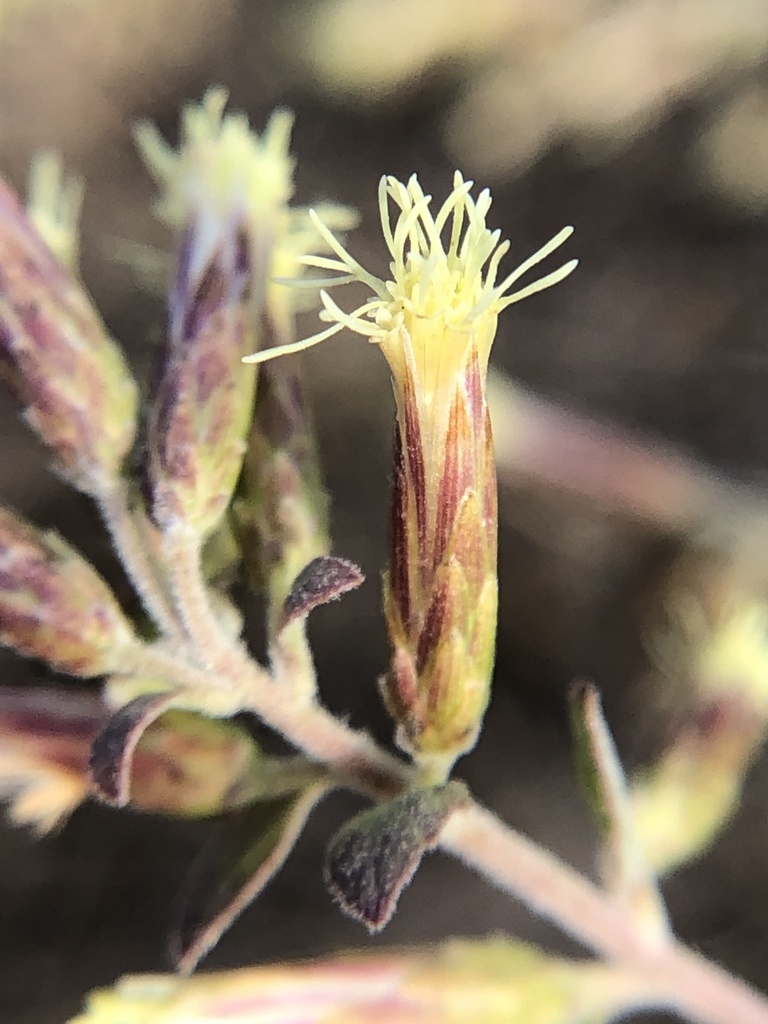
California Brickellbush
Brickellia californica
Care
full sun, part shade
very low
Fast, Medium, Slow; Tolerant of sandy or clay soil, often in rocky soil.
2–7ft tall , 2–7ft wide
Jun-Nov
Evergreen
Resistant
Friendly
Desert and interior scrub of California's deserts, particularly the Mojave and Colorado deserts from 500-4000 ft elevation.
Care Guide
Planting
Plant California Brickellbush in full sun where you can enjoy its incredible fragrance during summer and fall blooms - the scent carries a considerable distance. It thrives in fast to slow draining soil and tolerates sandy, clay, or rocky conditions, so don't worry about amending heavily. Position it where its subtle, inconspicuous flowers won't be the focal point of your garden design, since this shrub is grown more for fragrance than appearance. Space according to mature size (2–7 feet tall) and plant in spring or fall for best establishment.
After Planting
Water weekly during the first summer to establish roots, then taper to just once or twice monthly once established - this is a very low water plant and overwatering is the main way to kill it. This evergreen shrub tolerates Bay Area winters down to -15°F, so no winter protection needed. You can prune after flowering ends in fall to shape the plant, but it's not required; it naturally forms a thickly branched shrub. By year two, you should barely water it except during drought, letting our native rainfall do most of the work.
Visit Calscape for more information about California Brickellbush
Wildlife Supported
Insects
Specialist moth using Brickellia as larval host; caterpillar activity summer-fall
Larval host plant for this dusky wing butterfly species; caterpillar development spring-summer
Larval host plant for skipper butterfly; caterpillars feed on foliage spring through summer
Sap-feeding aphid on foliage; populations peak during growing season
Opportunistic herbivore with multiple broods; larval activity spring through fall
Multi-brooded butterfly using plant as larval host; caterpillars present spring through fall
Nocturnal moth with caterpillars feeding on foliage; reproductive season summer-fall
Birds
Primary seed consumption during fall and winter months when other food sources diminish