Barberry
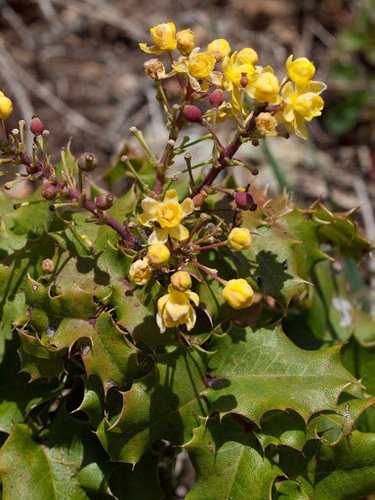
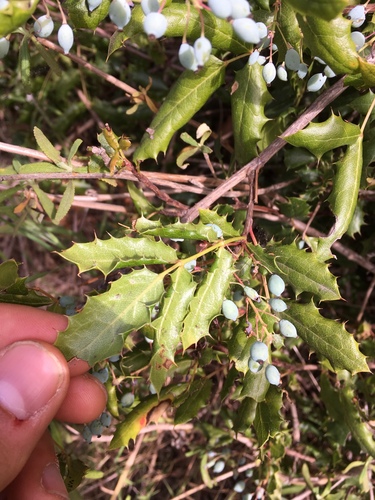
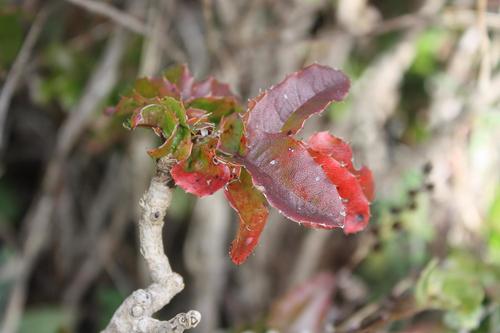
Berberis pinnata subsp. pinnata
Care
full sun, part shade
low
Medium; Tolerates clay but performs best in deep, rich woodland soil. Tolerates serpentine soil..
3–7ft tall , 5–5ft wide
Jan-Dec
Evergreen
Resistant
Friendly
Prized
Berries eaten raw or cooked into preserves. Tart flavor
Chaparral of the Sierra Nevada foothills, Coast Ranges, and transverse ranges from 500-3000 ft elevation, endemic to central California.
Care Guide
Planting
Plant your barberry in full sun or part shade in fall or winter for best establishment. It tolerates clay soil but performs best in deep, rich woodland soil with medium drainage, so amend heavy clay if possible. Space it according to its mature size of 3–7 feet tall, keeping in mind it also works well as a hedge or for bank stabilization. Choose a location where water won't pool around the base, as it prefers well-draining conditions.
After Planting
Water weekly during your first summer, then cut back to a maximum of 3 times per month once established - this is a drought-tolerant plant that actually prefers dry conditions. Your barberry is evergreen and will bloom throughout the year, particularly heavily in winter and spring, so you'll see purple grape-like fruits develop after flowering. The #1 mistake is overwatering; resist the urge to coddle it once it's in the ground, as excess water is far more harmful than occasional drought. Prune as needed for shape or to control its size, but this moderate-care plant won't demand much attention once it settles in.
Wildlife Supported
Insects
Early season pollen source for spring nesting females

Early spring foraging resource for colony establishment

Larvae feed on new foliage during spring growth
Larval foliage herbivory during growing season
General pollen resource during bloom period

Larval foliage feeding during summer months
Leaf-mining larvae utilize new spring growth
Larvae utilize new foliage growth in spring