Eastwood's Manzanita
Arctostaphylos glandulosa subsp. glandulosa
Care
full sun, part shade
very low
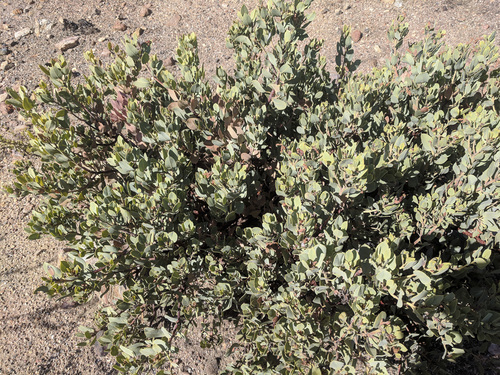
Fast, Medium; Often gravelly, decomposed granite soil.
3–12ft tall , 8–8ft wide
Jan-Dec
Evergreen
Friendly
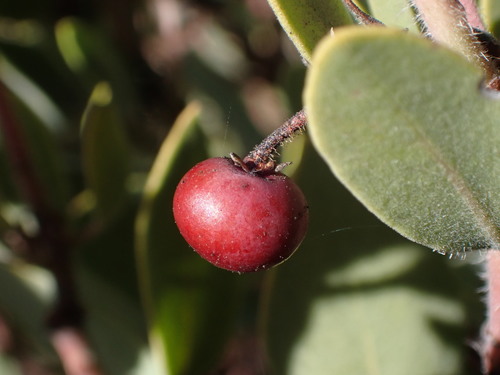
Berries made into cider drink, traditional Indigenous use
Supports up to 68 butterfly and moth species in Mediterranean California
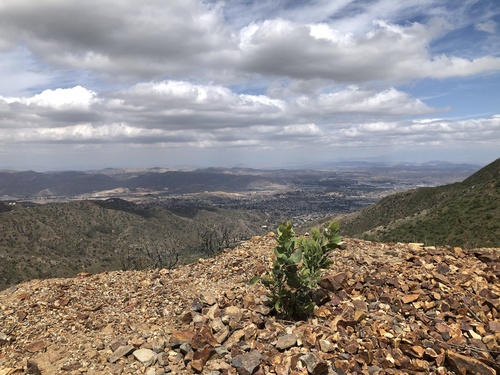
Chaparral and mixed scrub of the Sierra Nevada foothills and coastal ranges from 1000-4000 ft elevation, with scattered populations throughout central California.
Care Guide
Planting
Plant your Eastwood Manzanita in spring to give it time to establish before summer heat. Choose a spot with full sun or part shade and well-draining soil - it thrives in gravelly, decomposed granite soil and won't tolerate heavy clay or poor drainage. Space according to your desired mature size, which ranges from 3 to 12 feet tall depending on variety.
After Planting
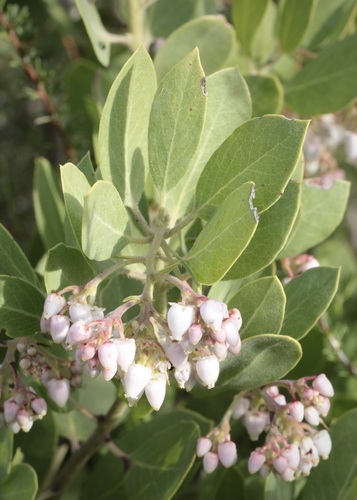
Water weekly for the first year after planting, then taper to once a month maximum during summer once established. The biggest mistake is overwatering: this is a drought-tolerant native that prefers dry conditions, so err on the side of less water rather than more. Expect white and pink flowers in winter and spring, and note that the foliage is sticky to the touch - you may want to plant it away from seating areas.
Visit Calscape for more information about Eastwood's Manzanita
Wildlife Supported
Birds

Important winter food source; fruits persist on evergreen plant
Insects

Evergreen manzanita provides year-round pollen source in Mediterranean climate

Specialist herbivore; primary host plant for this aphid species
Herbivorous feeding on plant sap

Overwinters in dense shrub foliage; hunts aphids on and near plant

Early season host plant for California populations

Multi-generational; larvae feed on foliage throughout growing season

Opportunistic host plant during population irruptions
Mammals

Browsing on leaves; evergreen availability important in winter

Dense stands provide denning and resting habitat