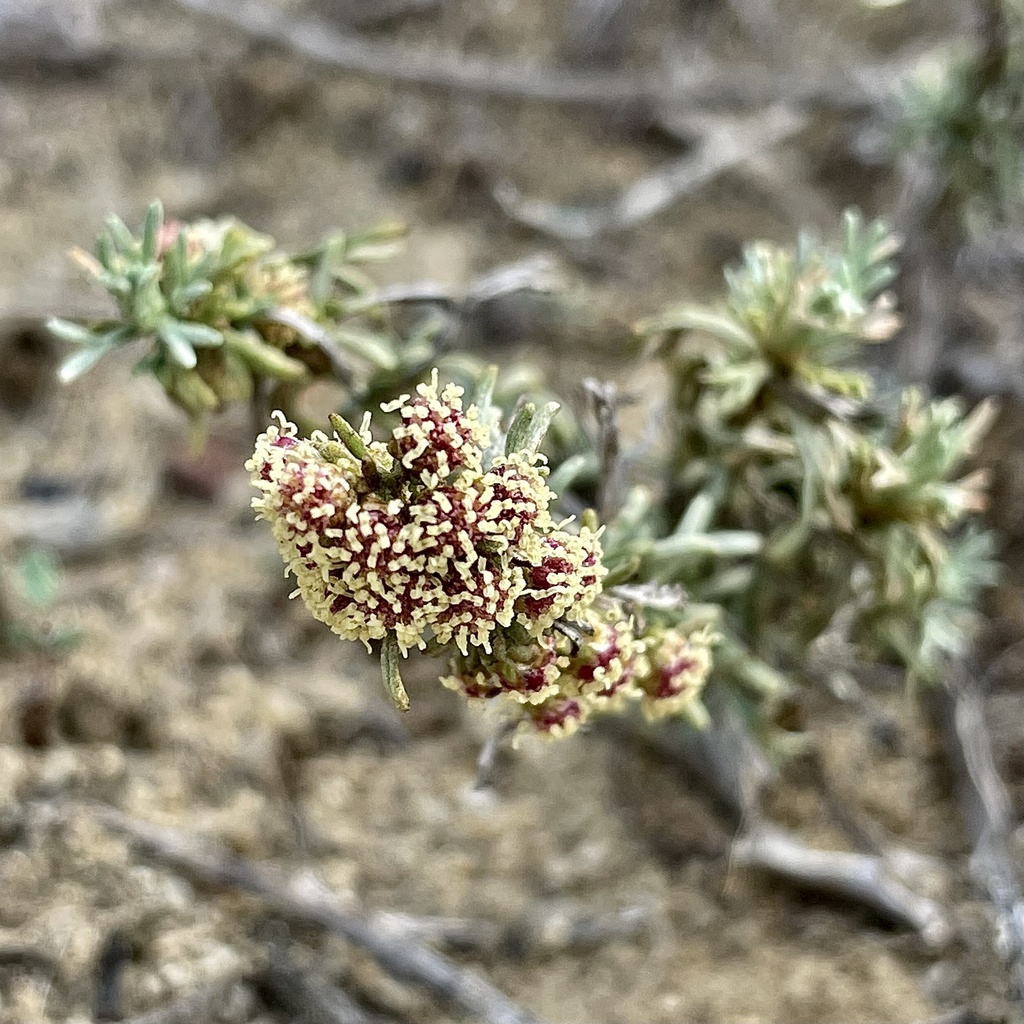
California Sagebrush
Artemisia californica
Care
full sun
very low
well-drained, poor soils fine; no clay
2–5ft tall , 3–6ft wide
Aug-Nov · yellowish
Semi-Deciduous
Resistant
Friendly
Yes
Supports up to 64 butterfly and moth species in Mediterranean California
Coastal sage scrub from central California to Baja
Inconspicuous small yellowish flowers
Highly aromatic gray-green foliage; drought deciduous; coastal sage scrub indicator
Care Guide
Planting
Plant your California Sagebrush in full sun with fast-draining soil - sandy or nutrient-poor soil is actually ideal for this plant. Avoid heavy clay unless your drainage is excellent. Fall through early spring is the best planting window in the Bay Area. Space plants 3–5 feet apart depending on whether you want them to fill in as a groundcover or remain more individual shrubs.
After Planting
Water weekly for the first summer to establish a deep root system, then taper off - by year two, you can water as infrequently as once a month in summer or skip it entirely during drought years. Prune lightly in spring to keep the plant compact and tidy; avoid heavy cutting. Expect the plant to look sparse or semi-dormant in winter, which is completely normal. The #1 mistake is overwatering: this plant wants neglect, not attention, so once established, let it be dry.
Visit Calscape for more information about California Sagebrush
Endangered & Threatened Species Supported
Western Pygmy Blue butterfly; California species of special concern
Wildlife Supported
Birds
Forages on seeds and plant material Sep-Feb; year-round resident in California
Insects
Larvae feed on artemisia foliage; overwinter as pupae in soil
Multi-generational host plant; larvae feed on foliage Mar-Nov with peak populations Aug-Oct
Uses artemisia as secondary larval host; multiple broods possible
Multiple broods per year; larvae feed on foliage and flowers
Multi-generational; uses artemisia as secondary host plant in California deserts and semi-arid regions