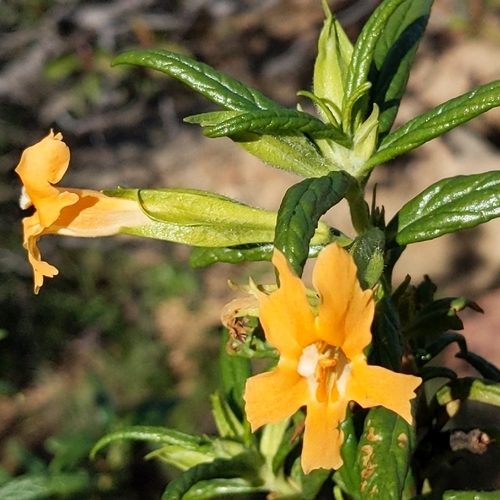
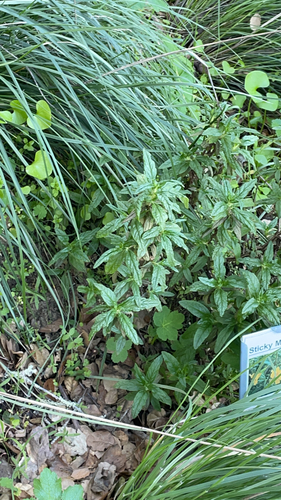
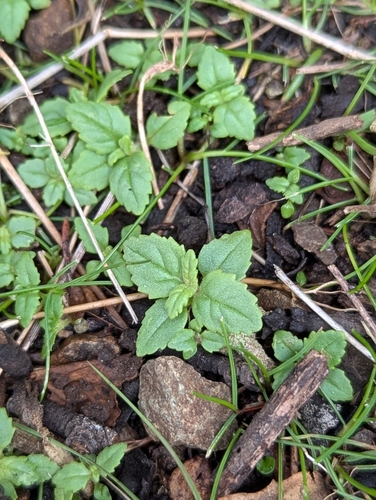
Sticky Monkey Flower
Diplacus aurantiacus
Care
full sun, part shade
very low
well-drained; tolerates poor rocky soil
2–4ft tall , 2–4ft wide
Mar-Aug · orange, yellow, red
Evergreen
Resistant
Friendly
Prized
Coastal California from Oregon to Baja California
Showy tubular flowers in orange, yellow, or red
Long bloom season; prune after flowering; many color forms available
Care Guide
Planting
Plant your sticky monkey flower in well-draining soil - it tolerates poor, rocky, even serpentine soil as long as drainage is fast. If you're in a coastal Bay Area garden, give it full sun; if you're inland, plant it in partial shade to protect it from intense heat. Space it with its mature size in mind (2–4 feet tall and wide). Plant in spring or fall for best establishment.
After Planting
Water weekly for the first summer, then taper to once or twice monthly once established - this is a very low water plant and overwatering is the #1 killer. After the first year, you can often skip summer water altogether except during heat waves. Prune lightly after flowering to maintain shape, but the plant is fairly low-maintenance. It's evergreen, so you'll have foliage year-round and blooms from March through August.
Visit Calscape for more information about Sticky Monkey Flower
Endangered & Threatened Species Supported
California Species of Special Concern
Wildlife Supported
Birds

Primary nectar source Mar-Aug bloom; critical winter resident energy source
Bloom period aligns with breeding and migration windows

Spring migration and breeding season nectar source Mar-Jul

Early spring breeding and late summer-fall migration fuel source
Insects

Larval host plant for caterpillars; adults nectar on flowers

Adult butterfly nectar source during bloom period

Gall-forming larvae on plant tissues

Larval mining in sticky monkey flower foliage

Adult nectar foraging Mar-Aug

Adult nectar foraging during bloom season