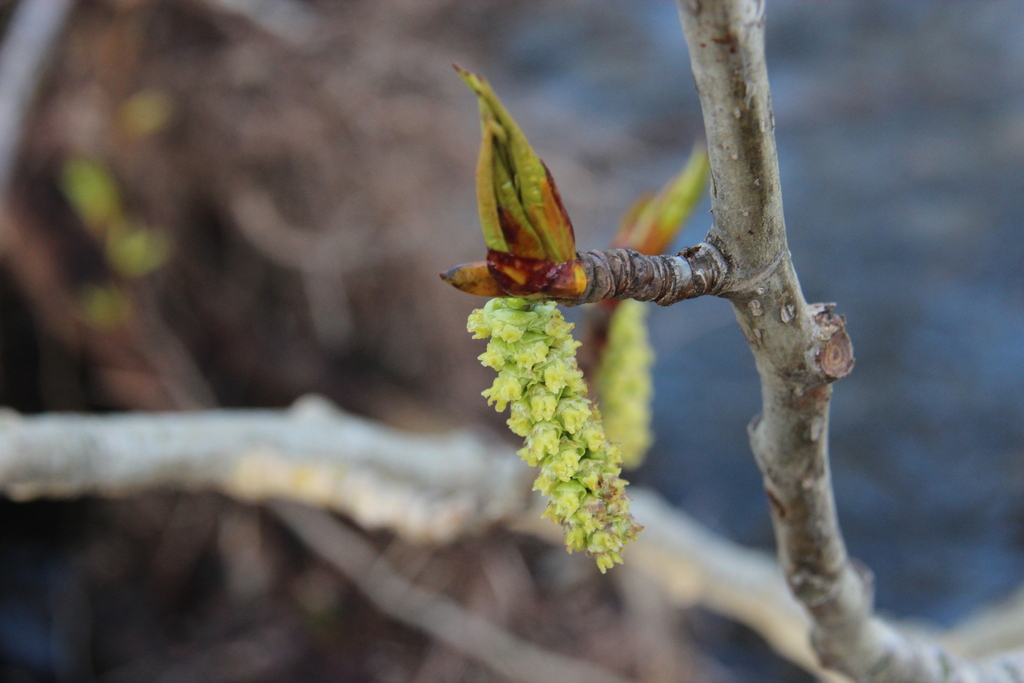
Balsam Poplar
Populus trichocarpa
Care
full sun
moderate
Fast; Well draining.
30–100ft tall , 25–30ft wide
Jan-Dec
Deciduous
Yes
Supports up to 230 butterfly and moth species in Mediterranean California
Riparian woodlands of the northern Sierra Nevada and Cascade Range, extending north to Oregon, from 2000-6000 ft elevation in streamside habitats.
Care Guide
Planting
Plant your Balsam Poplar in full sun with fast-draining soil - this tree thrives in well-draining conditions and will struggle in compacted or poorly drained soil. The ideal location is near a water source (like a creek or low spot in your yard) where its shallow roots can access consistent moisture; this tree is a natural fit for rain gardens and bioswales. Plant in spring or fall when the tree is dormant, giving it plenty of space since it will eventually reach 30–100 feet tall.
After Planting
Water heavily and consistently during the first growing season and until the tree is established - keep the soil moist as this young tree depends on regular moisture. Once mature (typically after 2–3 years), you can back off significantly; established trees need watering only about once a month during summer. The #1 mistake people make is planting this water-loving tree in dry, compacted spots and then wondering why it fails - if you don't have a naturally moist location or can't commit to regular watering in the first few years, this isn't the tree for you.
Endangered & Threatened Species Supported
Delisted from federal ESA in 2007; remains state-listed in California
Wildlife Supported
Mammals
Primary food source; bark, twigs, and cambium harvested year-round; wood used for dam and lodge construction
Young leaves and catkins consumed during spring emergence and pre-hibernation fattening
Birds
Tall trees preferred for nest sites; nesting December-July in California riparian habitat
Sap wells drilled for feeding and nesting; primary habitat association in riparian zones
Catkins and buds important winter food; leaves browsed in spring and summer
Construct large stick nests in cottonwood branches; nesting March-June
Tall cottonwoods used as roosting and nesting sites in riparian habitat
Insects
Larvae tunnel beneath bark; can cause significant tree stress and mortality
Larvae defoliate new spring growth; populations cycle with 10-year dynamics
Invasive; larvae voraciously defoliate poplar foliage in outbreak years
Adults and larvae defoliate emerging leaves; multiple generations per season
Larvae utilize poplar foliage; multiple broods per season in California
Larvae feed on developing foliage; can cause significant defoliation in outbreak years
Phloem sap feeders; multiple generations per season; important food for birds and predatory insects
Larvae feed on poplar leaves as primary larval host