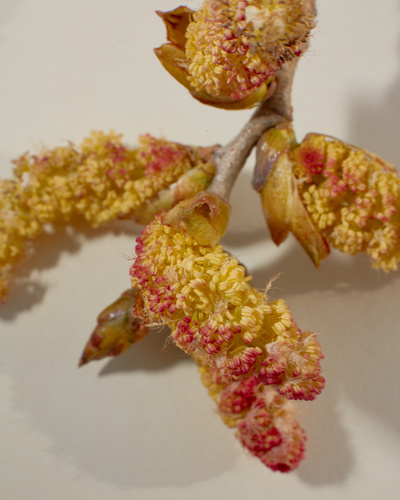
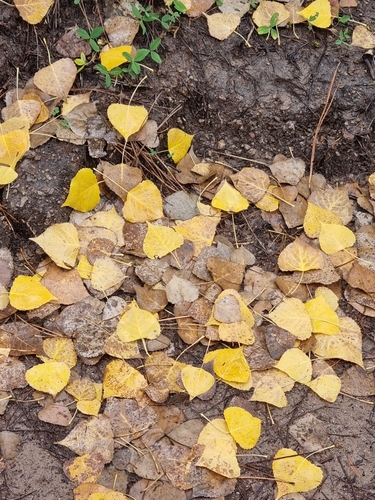
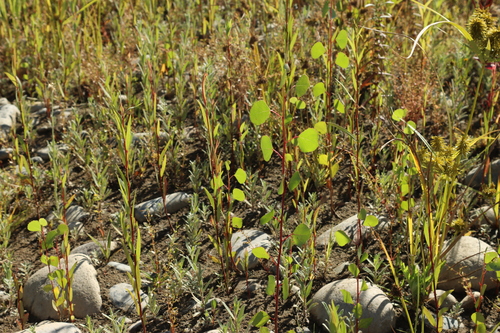
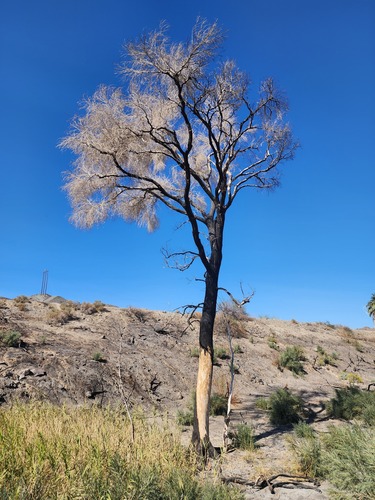
Cottonwood
Populus fremontii subsp. fremontii
Care
full sun
moderate
Fast, Medium, Slow; Accepts either sandy or clay soil as long as there is sufficient water. Tolerates saline soil..
39–115ft tall , 35–35ft wide
Jan-Dec
Deciduous
Supports up to 230 butterfly and moth species in Mediterranean California
Riparian corridors and floodplains throughout California deserts, interior valleys, and along major rivers from sea level to 4000 ft, extending to the Southwest and Mexico.
Care Guide
Planting
Plant your cottonwood in full sun with plenty of space - this tree will reach 100 feet tall and 35 feet wide, so it's best suited to large Bay Area properties, not small gardens. Choose a location away from lawns, irrigation systems, and structures, as its roots are invasive and will seek out water aggressively. The tree accepts sandy or clay soil as long as drainage and water availability are adequate, and it even tolerates saline soil. Plant in fall or early spring to establish before summer heat.
After Planting
Water consistently and deeply during your tree's first growing season to keep the soil moist - cottonwoods are thirsty plants that can grow 10–20 feet in a single year when well-watered. Once established, maintain moderate to high water during Bay Area summers; the tree will go dormant and drop its heart-shaped leaves in winter, which is normal. The #1 mistake is underwatering: this tree is tough and easy to grow, but only if you commit to regular irrigation, especially in our dry climate. Prune only to remove damaged branches; this fast grower doesn't need much guidance.
Endangered & Threatened Species Supported
California threatened species; restricted range in southern California
Wildlife Supported
Birds

Uses cavities in dead cottonwood limbs and snags for nesting in riparian habitat

Breeding species in riparian cottonwood corridors; relies on tall trees for nest sites

Spring breeding migrant; uses cottonwood riparian habitat for nesting and foraging

Uses downy material from female catkins for nest construction during breeding season

Early spring breeder; utilizes cottonwood flowers as nectar source during limited bloom period

Utilizes catkin down and bark fibers for nest building in riparian habitat

Spring migrant; forages on emerging foliage and arthropods in riparian Fremont cottonwoods

Spring migrant; forages on cottonwood buds and emerging foliage in early season
Insects

Primary larval host; specialized poplar feeder with significant ecological presence

Spring outbreak species; caterpillars defoliate cottonwoods in webbed tents

Larval food plant; caterpillars feed on poplar foliage in early season

Feeds on xylem sap via piercing mouthparts during summer drought stress periods

Parasitic host; provides structural support and food for mistletoe-dependent birds

Larval host plant; caterpillars gregarious feeders on cottonwood foliage
Mammals

Primary mast consumer; critical for seed dispersal and caching behavior