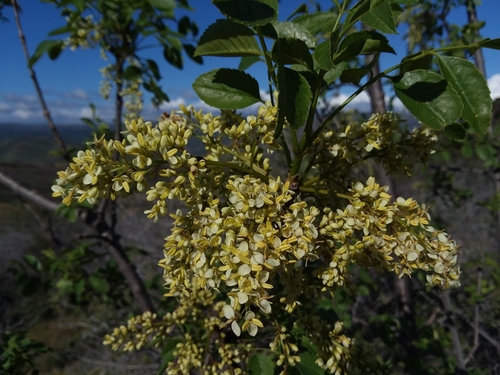
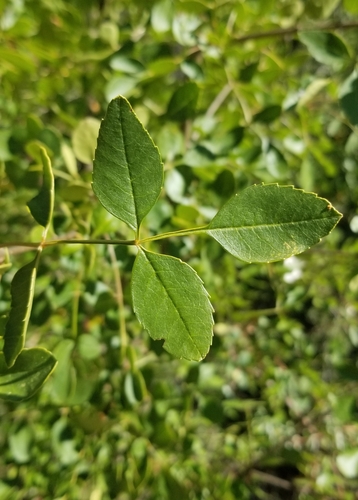
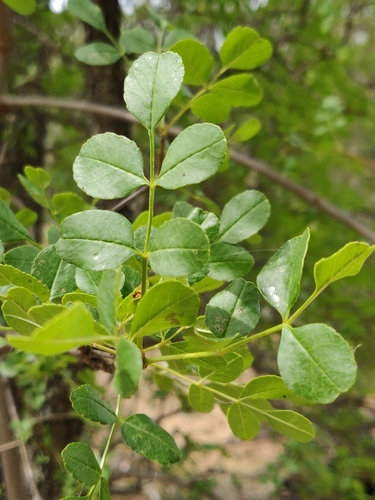
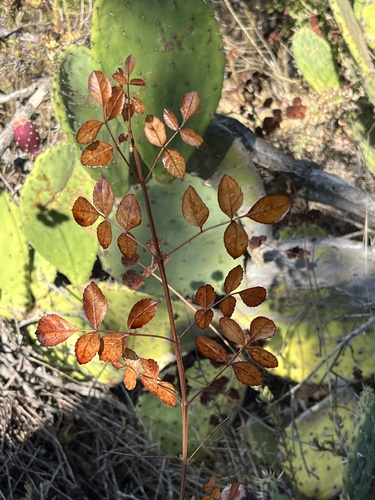
California Ash
Fraxinus dipetala
Care
full sun, part shade
low
Fast, Medium, Slow; Tolerates a variety of soils including clay and decomposed granite. Tolerates serpentine soil..
23–23ft tall , 15–15ft wide
Mar-May
Deciduous
Yes
Prized
Supports up to 57 butterfly and moth species in Mediterranean California
Chaparral and oak woodlands of the Sierra Nevada foothills, Coast Ranges, and transverse ranges from 500-4000 ft elevation, from Shasta County to San Diego County.
Care Guide
Planting
Plant your California ash in full sun or part shade in fall or winter when the plant is dormant. This tree is remarkably flexible with soil - it tolerates clay, decomposed granite, and even serpentine soil - so amend only if drainage is extremely poor. Space it where it has room to grow into a 23-foot tree, and give it at least 6 feet of clearance from structures if you plan to shape it into a multi-trunked specimen.
After Planting
Water weekly during your first summer, then taper to just twice a month once established, even through hot Bay Area summers. This is a deciduous tree, so expect it to drop its leaves in winter - that's normal. Prune in late winter or early spring to shape it into your desired form, whether that's a single trunk or multi-stemmed tree. The biggest mistake is overwatering; this is a drought-adapted native that actually prefers dry conditions once established, so let the soil dry out between waterings.
Endangered & Threatened Species Supported
California Species of Special Concern
Wildlife Supported
Insects

Larvae feed on ash foliage in spring; host plant for this California endemic butterfly

Fungal pathogen; disease host relationship

Sap-feeding scale insect; may impact tree vigor

Fungal pathogen affecting ash leaves
Birds

Uses ash canopy for cover and foraging in California mountains

Uses ash trees for nesting cavities and year-round foraging for insects
Cavity nesting in dead ash branches; forage for bark insects