Western Chinkapin
Chrysolepis chrysophylla var. minor
Care
full sun, part shade
low
98–148ft tall
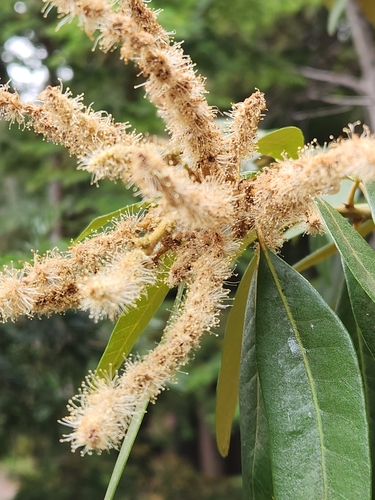
Mar-May
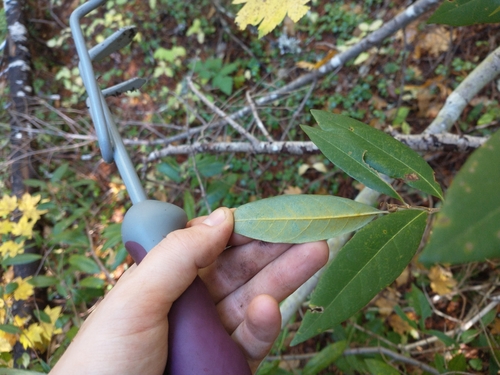
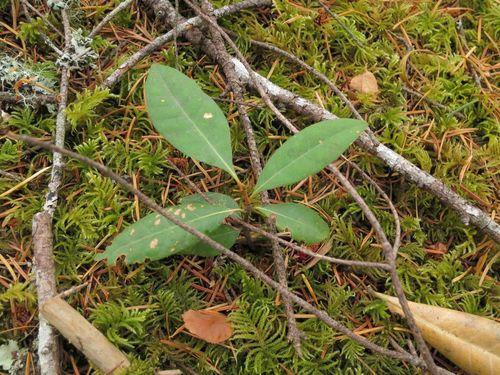
Evergreen
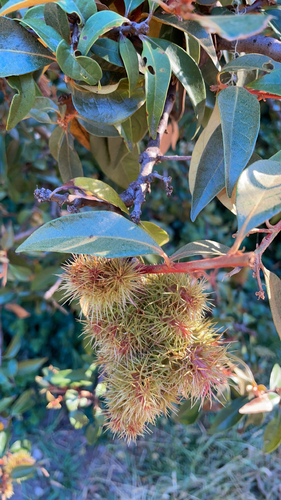
Nuts roasted and eaten; used as traditional Indigenous food
Mixed conifer forests of the northern Sierra Nevada and Cascade Range from 3000-8000 ft elevation, with a disjunct population in the South Coast Ranges.
Care Guide
Planting
Plant your Western Chinkapin in full sun to part shade in a location with good drainage. This native thrives in the Bay Area's dry conditions and doesn't demand rich soil, so avoid amending heavily - it's adapted to poor soils and will actually perform better without fussing. Space according to your desired form: if you want a large tree (up to 148 feet in ideal conditions), give it room; shrubby forms stay smaller and work well in drier spots or on slopes.
After Planting
Water regularly during your first growing season to establish the plant, then transition to the low-water maintenance schedule it prefers once established - you're aiming to wean it off supplemental water as it develops deep roots adapted to dry conditions. Avoid the common mistake of overwatering; this plant is engineered for California's dry summers and will rot if kept constantly moist. The data doesn't specify pruning needs, but note that this evergreen may naturally develop a conical crown shape, and it can live 500 years, so you're planting for the long haul.
Endangered & Threatened Species Supported
Vandyk's bumblebee; California state endangered; species of special concern
Grunus copper butterfly endemic to California
California Species of Special Concern
Wildlife Supported
Mammals

Primary seed dispersal and caching Sep-Nov; critical fall food source
Insects

Larval host plant; caterpillars feed on new foliage Apr-May

Caterpillar development on foliage Apr-Jun

Caterpillar food plant; overwinters as pupae on host tree

Larval mines in foliage May-Jun

Pollen foraging during spring flowering
Caterpillar food plant for spring-summer generations