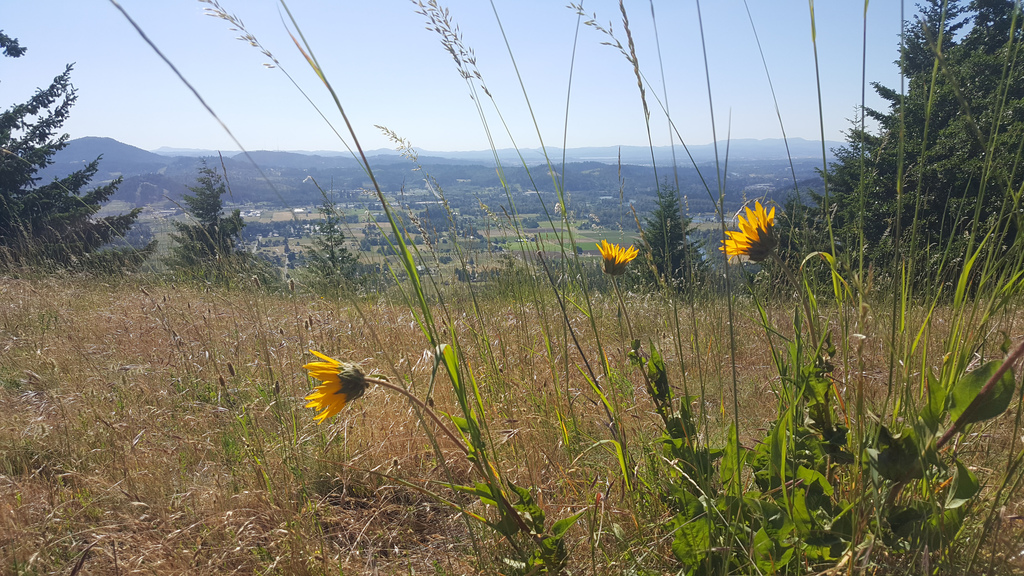
Narrowleaf mule ears
Wyethia angustifolia
Care
full sun
low
Slow; Tolerates a variety of soils as long as adequate drainage is provided.
3–3ft tall , 3–3ft wide
Mar-Aug
Deciduous
Friendly
Prized
Seeds ground into flour; roots eaten cooked. Traditional Indigenous food
Grasslands and oak woodlands of the northern and central Sierra Nevada foothills and northern interior valleys, below 3000 ft elevation.
Care Guide
Planting
Plant Narrowleaf mule ears in full sun with well-draining soil - drainage is critical, even though this plant tolerates a variety of soil types. The best time to plant is in fall or early spring. Space plants 3 feet apart to accommodate their mature height. Avoid areas where water pools or sits, as poor drainage is the main threat to this plant's survival.
After Planting
Water weekly during your first summer to establish the plant, then reduce to once a week maximum during summer once established. Expect your mule ears to die back completely to the ground in winter - this is normal dormancy, not a sign of failure. The plant will re-emerge in spring and bloom from March through August. Avoid the #1 killer: overwatering, especially in winter when the plant is dormant and needs almost no water.
Visit Calscape for more information about Narrowleaf mule ears
Endangered & Threatened Species Supported
California Species of Special Concern
Wildlife Supported
Insects
Early season larval host; caterpillars feed on plant foliage
Migratory species uses as nectar source; critical for fueling migration movements
Important spring larval host plant in California foothills and valleys
Pollen collection for brood provisioning
Multiple generations use plant as larval food source during growing season
Adult nectar source in spring-early summer
Supplemental pollen feeding during early season