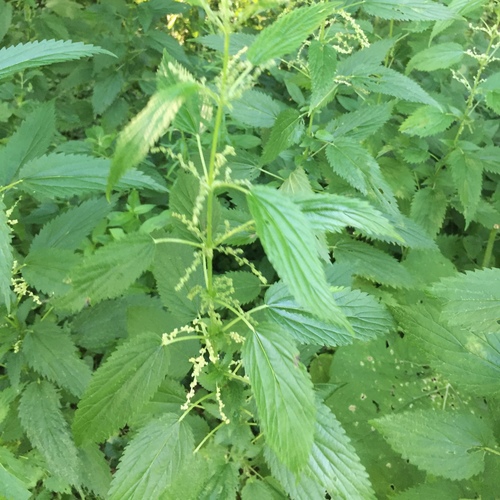
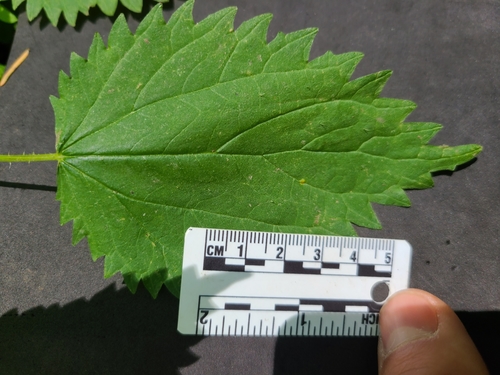
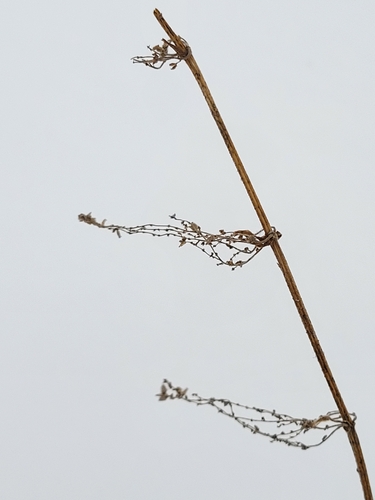
Stinging nettle
Urtica dioica
Care
full sun, part shade
moderate
moist, well-draining, fertile soil
1–4ft tall , 1–3ft wide
Jun-Sep
Deciduous
Resistant
Friendly
Young leaves cooked as greens; seeds ground into flour
Riparian areas, disturbed sites, and moist areas throughout California from the north coast to San Diego County, below 3000 ft elevation, extending widely in North America.
Care Guide
Planting
Plant stinging nettle in moist, fertile, well-draining soil during fall or early spring. It tolerates both full sun and partial shade, so choose a spot based on your garden's conditions - partial shade is fine if that's what you have. Space plants a few feet apart since they can reach 1.5–4 feet tall and spread into colonies. This is a vigorous plant, so consider containing it if you're worried about it taking over.
After Planting
Water weekly for the first summer to establish the plant, then taper off to moderate watering as it becomes established. Nettle is deciduous and will die back in winter - this is normal. The main mistake people make is overwatering once established; remember it prefers moist soil, not soggy soil. Wear gloves when handling or harvesting to avoid the stinging hairs on the stems and leaves.
Wildlife Supported
Insects

Important larval host; caterpillars feed communally on nettle leaves May-July

Primary larval host plant; genus name reflects nettle dependence
Primary larval food plant; caterpillars feed on nettle foliage April-September

Alternative host plant; caterpillars utilize nettle when preferred thistles scarce

Spring pollen collection March-June for provisioning nests
Birds

Forages on nettle during migration and winter; significant dietary component in wet meadows

Waterfowl grazes on nettle shoots and leaves in riparian habitats