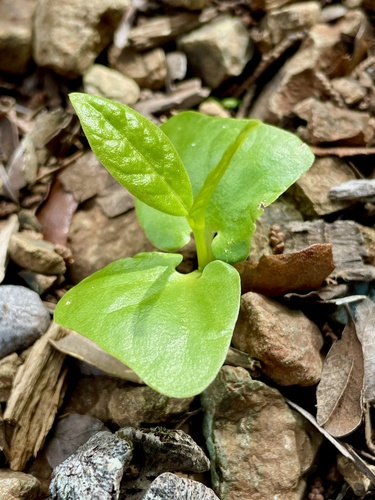
Western Spicebush
Calycanthus occidentalis
Care
part shade, full shade
moderate
moist, well-drained; tolerates some clay
4–12ft tall , 4–10ft wide
May-Aug · dark red, maroon
Deciduous
Friendly
Yes
Prized
Northern and central California mountains and foothills
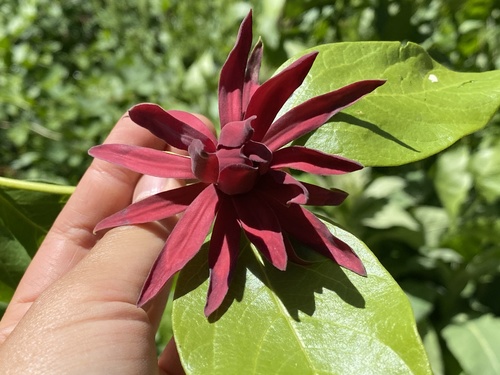
Unusual fragrant wine-red flowers with strap-like petals
Fragrant flowers smell like red wine; all parts aromatic when crushed
Care Guide
Planting
Plant your Western Spicebush in part shade, which is ideal for this shrub in the Bay Area - though it tolerates full sun if you give it plenty of moisture, and even full shade if you're patient with slower growth. It's adaptable to most soils, including clay, as long as drainage isn't terrible; this plant can handle moist conditions better than many natives. Space it 3 to 12 feet wide depending on whether you want a rounded shrub or to train it as a multi-trunked small tree. Plant in fall or early spring when the plant is dormant.
After Planting
Water weekly through your first summer to establish it, then back off to once weekly or less once established, depending on heat and your soil moisture. This is a deciduous shrub, so it will lose its leaves in winter - that's normal and not a sign something's wrong. Prune after flowering if you want to shape it, or leave it alone for a natural rounded form; if you're training it as a small tree, remove lower branches while it's young. The #1 mistake is overwatering once established - this plant is fairly drought-tolerant, so resist the urge to baby it through dry spells.
Wildlife Supported
Birds

Dense riparian shrub provides nesting and fledgling shelter; insect prey abundant in bloom season
Insects

Specialized larval host; caterpillars feed on foliage during growing season

Wood-decay fungus provides habitat for saproxylic insects and fungi-feeders

Host plant for caterpillar development through warm months

Larval feeding on leaves May-August during bloom and growth period
Mammals

Critical seed cache food source; stored for overwinter survival

Seed cache food; scattered caching aids seed dispersal

Seed gathering and caching for winter; important caloric resource August-October