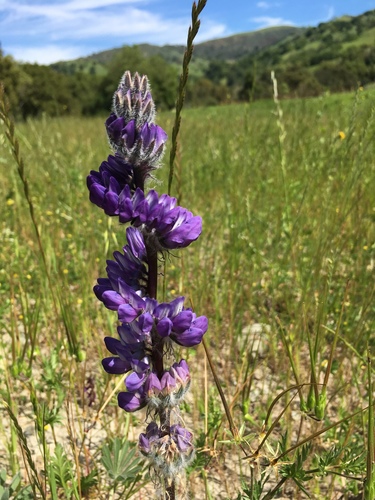
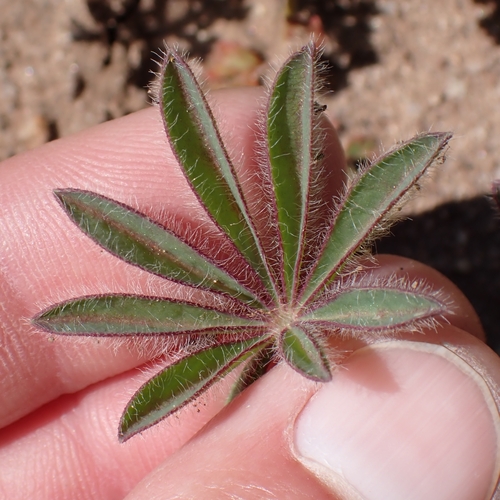
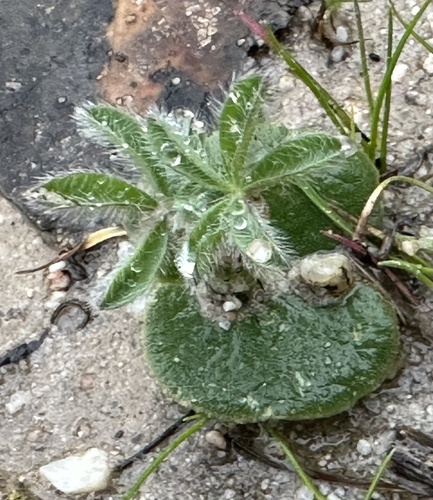
Chick lupine
Lupinus microcarpus var. densiflorus
Care
full sun
moderate
Fast, Medium, Slow; Adaptable.
0–2ft tall , 1–1ft wide
Mar-May
Resistant
Friendly
Prized
Supports up to 74 butterfly and moth species in Mediterranean California
Coastal bluffs and interior valleys from Humboldt County to San Luis Obispo County, below 2000 ft elevation, in coastal scrub and grasslands.
Care Guide
Planting
Plant chick lupine in full sun with fast-draining to medium soil - it's adaptable to various soil types, so drainage matters more than fertility. Sow seeds in spring (March-May) directly where you want them to grow, as this is an annual that flowers the same season. Fresh seeds need no special treatment, though if you're using stored seeds, scarify them or soak in hot water before planting. Space plants about 12 inches apart and pair them with other native annuals or herbaceous perennials for a naturalized look.
After Planting
Water moderately during the growing season; weekly watering through your first summer will help establish the plant, then taper off as it matures since chick lupine is drought-tolerant once established. This annual will bloom from March through May, then naturally decline as temperatures warm - no heavy pruning needed, just let it go to seed if you want it to self-sow next year, or pull it out when flowering finishes. The biggest mistake Bay Area gardeners make is overwatering; these plants prefer drier conditions and will get leggy or rot in soggy soil, even though they technically tolerate slow drainage.
Endangered & Threatened Species Supported
Listed as endangered; found only in limited areas of California
California Threatened; Species of Special Concern
Wildlife Supported
Insects

Larval host plant for multiple broods in California grasslands and scrubland

Subspecies-specific larval host plant in California foothills and coast ranges
Important larval host plant for butterfly development

Preferred larval host plant in coastal sage scrub and grassland habitats

Supplemental pollen source for predatory beetle populations

Larval host plant for California populations