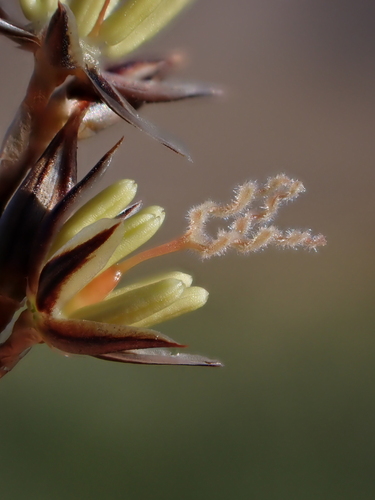
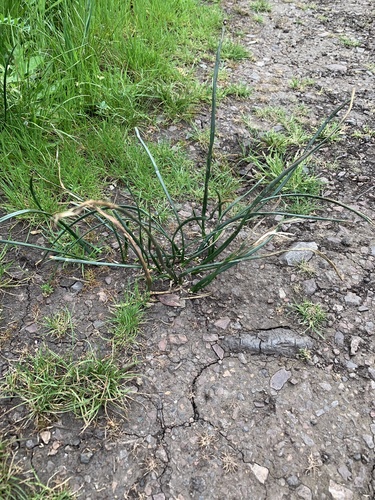
Wire rush
Juncus balticus ssp. ater
Care
part shade
moderate
Fast, Medium, Slow, Standing; Tolerant of a variety of soils. Tolerates saline soil..
3–3ft tall
Evergreen
Friendly
Marshes and wetlands throughout California, sea level to 10000 ft elevation, extending widely across western North America.
Care Guide
Planting
Plant wire rush in part shade in a location where soil stays consistently moist - it thrives in wetland conditions and will happily grow in fast, medium, or slow-draining soil, even in standing water. It's extremely soil-tolerant and can handle saline conditions, so you have flexibility with placement. Plant in fall or early spring to give the rhizomes time to establish before summer heat.
After Planting
Keep the soil moist throughout the first summer and beyond; this is not a drought-tolerant plant and drying out is the #1 reason wire rush fails in Bay Area gardens. Once established, maintain moderate to high water - think of it as a plant that wants to stay damp rather than dry out between waterings. Wire rush is evergreen and low-maintenance otherwise, with no pruning needed. It will spread slowly via rhizomes to fill any nearby moist space, so you may want to contain it if you're planting near other plants.
Endangered & Threatened Species Supported
Yellow Rail; California state threatened species
Wildlife Supported
Birds

Primary forage species in wintering marshes and shallow wetlands; critical for energy reserves

Dabbles in shallow marshes for wire rush seeds and rhizomes during migration and winter

Uses wire rush stands for nesting habitat and forages on associated invertebrates in breeding marshes

Grazes wire rush in coastal California wetlands during winter months

Forages on wire rush seeds during irregular winter irruptions in California

Grazes on wire rush shoots and roots; present in California wetlands seasonally

Grazes wire rush in California wetlands during migratory stopovers

Grazes on wire rush shoots and establishes nesting territories in rush beds
+2 more species
Insects

Larvae and adults feed on wire rush shoots and leaves in wetland habitats

Feeds on wire rush foliage as primary host plant in California marshes