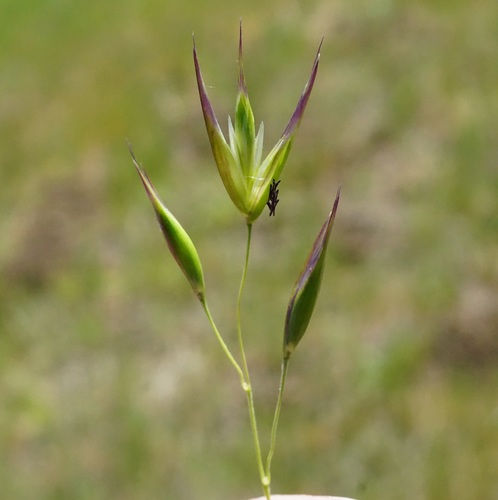
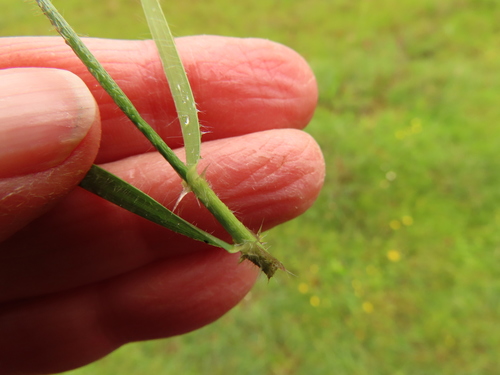
California oatgrass
Danthonia californica
Care
full sun, part shade
low
Fast, Medium, Slow; Prefers loamy or clay soils. Grows poorly in sandy soils.
2–3ft tall
Mar-May
Resistant
Friendly
Sierra Nevada and Coast Ranges from Kern County to Shasta County, 3000-10000 ft elevation in grasslands and open forest understory.
Care Guide
Planting
Plant California oatgrass in full sun to part shade in loamy or clay soil with fast to slow drainage - avoid sandy soils where it struggles. Space plants to accommodate mature height of 2–3 feet and their dense tufts. Plant in fall or winter to establish before the growing season, which is ideal for a cool-season grass that prefers moist environments. The Bay Area's mild winters make this an excellent planting window for root establishment before summer.
After Planting
Water weekly during your first summer to keep the soil moist while the plant establishes, then transition to lower water needs once established - this is especially important since California oatgrass does better in cool, moist conditions than hot, dry ones. The plant blooms March through May and is fully cold-hardy to -5°F, so minimal winter care is needed in the Bay Area. The #1 mistake is underwatering during the first growing season; this grass needs consistent moisture to get going, even though it later tolerates low water once mature.
Visit Calscape for more information about California oatgrass
Wildlife Supported
Insects

larvae utilize native oatgrass as primary host plant in California grasslands

larvae feed on Danthonia species in spring; host plant for endemic California butterfly
parasitic nematode that infests roots and shoots; impacts plant vigor
Birds

forages on grass seeds in fall and winter months; important food source in native grasslands

grazes on insects associated with grass tussocks during breeding season