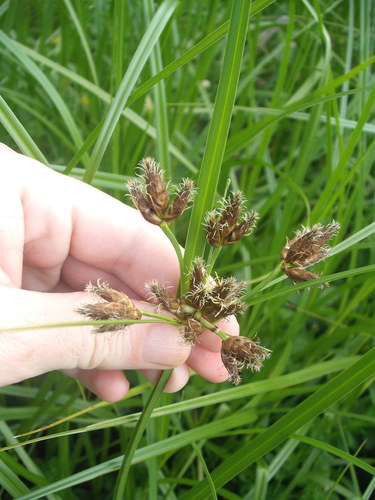
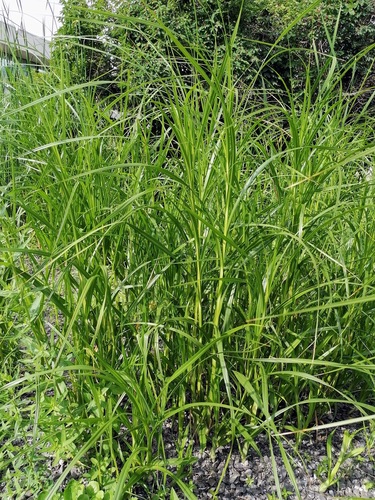
Cosmopolitan bulrush
Bolboschoenus maritimus
Care
full sun
moderate
Standing, Standing; Tolerates any kind of soil as long as sufficient water is present.
3–3ft tall
Evergreen
Friendly
Tubers harvested and eaten raw or cooked; traditional Indigenous food.
Coastal salt marshes and alkaline wetlands throughout California, at sea level to 2000 ft elevation, with worldwide distribution.
Care Guide
Planting
Plant Cosmopolitan bulrush in full sun in a location where it will have consistently wet conditions - ideally in or around water features, bioswales, or other wet habitats. This plant thrives in standing water and tolerates any soil type as long as sufficient moisture is present, making it excellent for boggy or poorly draining areas where other plants struggle. It spreads vigorously by rhizomes, so give it room to expand or be prepared to contain it.
After Planting
Keep the soil moist to wet year-round; this plant is a wetland species and will not tolerate dry conditions. Once established, Cosmopolitan bulrush requires minimal intervention - the main challenge is actually restraining its vigorous spread rather than encouraging growth. The #1 mistake is underwatering: this is not a drought-tolerant plant, so if your soil ever dries out significantly, the plant will struggle.
Visit Calscape for more information about Cosmopolitan bulrush
Endangered & Threatened Species Supported
California Endangered Species Act listed as Threatened
Wildlife Supported
Birds

Fall and winter; dabbling duck foraging on bulrush seeds in shallow wetlands during migration and wintering

Fall migration staging; grazes on bulrush shoots and tubers during southbound migration through California wetlands

Primary forage for wintering geese; grazes shoots and tubers in coastal and interior wetlands
Insects

Summer; aquatic leaf beetle larvae and adults associated with emergent bulrush stems
Spring and early summer; parasitoid wasp utilizing bulrush-associated arthropods

Summer; moth larvae feed on bulrush stems and seeds

Spring through summer; larvae and adults feed on bulrush stems and leaves
Summer; micro-lepidopteran larvae mine bulrush leaves

Summer; predatory mirid feeding on bulrush leaf surfaces and stems

Spring through early summer; larvae develop in bulrush stems and roots