← Back to results

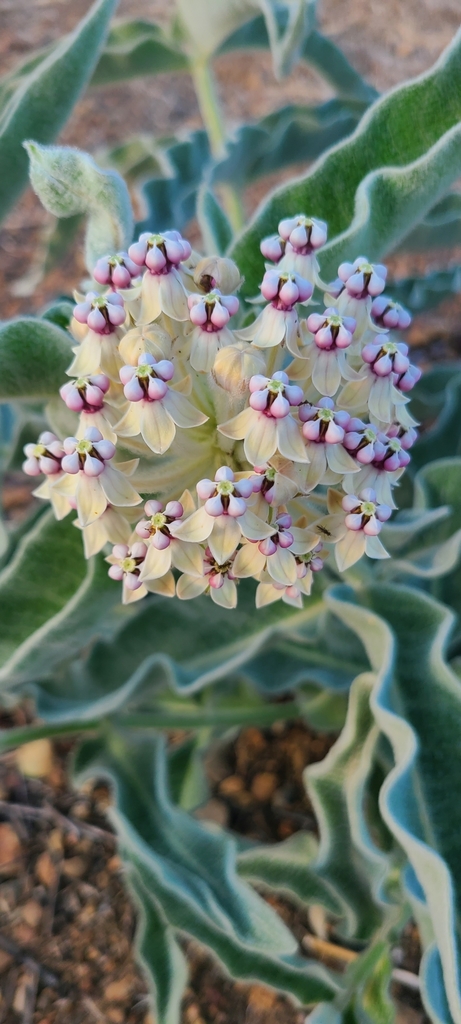
Woolypod milkweed

Asclepias eriocarpa

perennial herb View on Calscape

Care

Sun

full sun, part shade

Water

very low

Soil

Fast, Medium, Slow; Tolerates a variety of soils including clay.

Size

1–3ft tall , 1–1ft wide

Bloom

Jun-Aug

Foliage

Deciduous

Deer

Resistant

Container

Friendly

Native Range

San Joaquin Valley floor and surrounding foothills in Kern, Kings, and Tulare Counties, 100-1500 ft elevation in alkaline scrub.

Care Guide

Planting

Plant woolypod milkweed in full sun in a spot with fast to slow-draining soil - it's adaptable and even tolerates clay. Since it's deciduous and native to dry California regions, fall is an ideal planting time, giving roots time to establish before summer heat. Space plants 1–3 feet apart depending on whether you want them as specimens or massed together for maximum visual impact.

After Planting

Water regularly during your first summer to help the plant establish, then transition to very low water once established - just 2 times per month or less in summer. After the first year, this is an extremely low-maintenance plant that tolerates cold down to -20°F and will die back in winter as a deciduous perennial. The most common mistake is overwatering; once established, woolypod milkweed actually prefers dry conditions and will thrive on neglect, all while providing crucial nectar for monarch butterflies.

Visit Calscape for more information about Woolypod milkweed

Endangered & Threatened Species Supported

California hairstreak butterfly Satyrium californica
CA: Threatened

Listed under California ESA

Monarch butterfly Danaus plexippus
CA Special Concern

California Species of Special Concern; monarch populations declining

Wildlife Supported

Insects

Larval Host · Year-Round

Critical larval foodplant for multiple generations; adults also nectar on flowers

Larval Host · Year-Round

Larval host plant for multiple generations in California

Larval Host · Year-Round

Larval host plant during spring-summer generation

Foliage · Year-Round

Specialist herbivore feeding on milkweed foliage and flowers

Larval Host · Year-Round

Important larval foodplant in spring and early summer

Foliage · Year-Round

Sap-feeding herbivore found on milkweed species

Nectar · Year-Round

Adult nectar source in late summer-fall

Where to Buy

East Bay Wilds

2110 Eighth St, Suite 202, Berkeley

Fri 9:30am-4pm (occasional Sat, call ahead)

1.5 mi (510) 409-5858 Website
Watershed Nursery

601A Canal Blvd, Richmond

Tue-Sun 10am-4pm

5.0 mi (510) 234-2222 Website
Yerba Buena Nursery

12511 San Mateo Rd, Half Moon Bay

Tue-Sat 9am-4pm

12.0 mi (650) 851-1668 Website