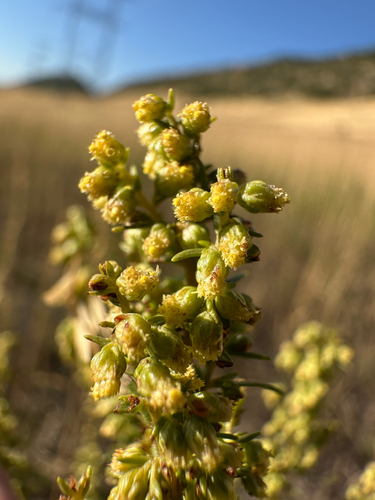
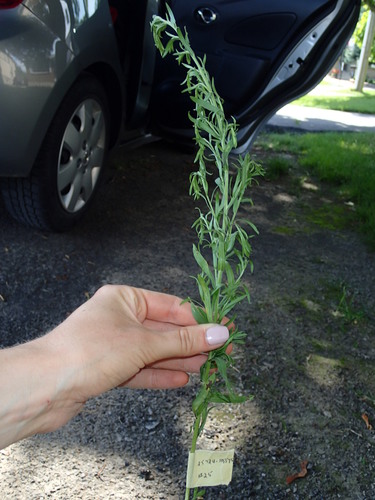
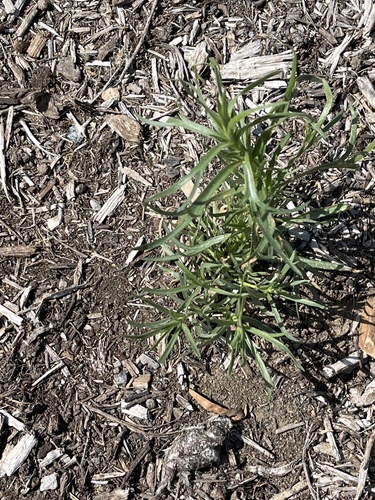
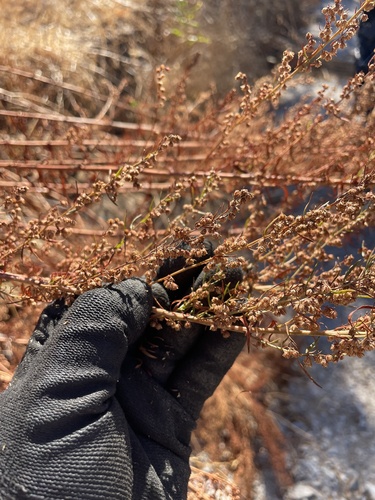
Wild Tarragon
Artemisia dracunculus
Care
full sun
low
Medium; Tolerates a variety of soils.
4–5ft tall , 5–5ft wide
Jun-Nov
Deciduous
Resistant
Friendly
Yes
Leaves used as culinary herb; aromatic seasoning like tarragon
Supports up to 64 butterfly and moth species in Mediterranean California
Coastal sage scrub and grasslands from Santa Barbara County to San Diego County, below 2000 ft elevation, extending to Baja California.
Care Guide
Planting
Plant wild tarragon in full sun with well-draining soil - it tolerates a variety of soil types, so don't overthink amendments. Space plants to account for their mature height of 4–5 feet and branching habit. Fall or early spring planting works best in the Bay Area; avoid planting during summer heat stress.
After Planting
Water weekly during your first summer to establish a strong root system, then taper to once monthly or less once established - this is a low-water plant that actually prefers dry conditions. Prune as needed during the growing season to manage its leggy, weedy appearance and encourage bushier growth. Expect the plant to die back in winter (it's deciduous), which is normal; it will return in spring and bloom from June through November. The biggest mistake is overwatering; this plant thrives on neglect, so err on the dry side once it's in the ground.
Wildlife Supported
Insects

Closely related Artemisia specialist; larvae feed May-July

Caterpillars feed on Artemisia species foliage; multiple generations

Specialist aphid on Artemisia; populations peak summer-early fall

Specialist feeder on Artemisia dracunculus; caterpillars feed on foliage April-June
Persistent pest species; overwinters on host plant

Native predator visiting for pollen; preys on Artemisia-feeding aphids

Polyphagous feeder; populations on Artemisia increase mid-summer

Supplemental pollen feeder; preys on aphids on Artemisia foliage
+2 more species
Birds

Erratic winter visitor to California; feeds on seed heads November-March